




This list of raw food products is to help you decide what to buy on your raw food journey. For the love of Pete, you certainly do not need to buy everything on this page! Always try to buy products and foods locally when possible.
Raw Equipment:
Blender
Your blender is the most crucial part of being a raw vegan. Blenders are used to make smoothies, puddings, sauces, and much more. I recommend the VitaMix. It's the best blender you can get, it's large, but it isn't cheap! There is no alternative to a good blender. If you must, you can use a cheaper, personal blender but I guarantee that your existing blender will not blend as well and the motor will burn out over time. Don't feel bad if you can't afford one right away. But plan on buying a VitaMix at some point soon. At least put it on your Christmas list!


Food Processor
I love my Cuisinart food processor because I rarely have to stop and scrape the sides to help it along. I have the medium-size (7-cup) food processor, and it's perfect for me as a 2-person household; but if you have a large family opt for a larger size (11 cup). (If you can't afford to spring for a Cuisinart right now, a cheaper one from a big-box store will do okay, you just might have to scrape the sides more because it won't suck the ingredients down in the same way.)
NOTE: Yes, you need a blender AND a food processor. Blenders do smooth, liquidy stuff (smoothies, soups, sauces) and food processors do chunkier stuff (think raw cookie dough, pizza dough, raw pie crusts, etc.).
Juicer
A juicer is different from a blender in that the juicer will remove the fibre from your fruits and veggies and leave you with a thin, refreshing nutrient-rich juice. I love my Breville juicer because it's relatively easy to clean and the veggie chute is nice and large and will fit a full-sized apple (so less chopping is required).


Dehydrator
You will probably want a dehydrator at some point so that you can make crackers, cookies, fruit leather, veggie burgers and other raw goodies. I use my dehydrator about twice a month to make crackers and veggie burgers. The Excalibur dehydrator is the gold standard in dehydrators. The 9 tray model is the most practical size.
Spiralizer
After three years of being raw I finally purchased a spiralizer. I don't know why I waited so long!! Spiralizers are perfect for making "noodles" out of zucchini and other squashes. Instead of a spiralizer, I used to just use a carrot peeler and manually slice "noodles." However, the spiralizer obviously makes for much better presentation and is actually way easier and faster too! Although it looks really complicated in this picture, it's actually really easy to use and this style is SUPER easy to clean. This is a fun gadget, but also something that I actually use all the time! Totally recommend it.


Nut Milk Filtration Bag
A nut milk bag is useful when making almond milk, coconut milk etc in your blender. Straining or filtering your milk is important for obtaining a smooth texture - the nut milk bag will remove all the little grainy nut bits--leaving you with silky-smooth home-made vegan milks! The Vitamix nut-milk bag is huge, easy-to-use and will last forever. (A smaller, cheaper, less permanent option is this nylon nut milk bag. Or you can use the foot of some new nylons!)
Manual Juicer
This little glass juicer is so handy. It's easy to clean and is a snap to use. I use it to juice lemons or oranges by hand quickly. I have used plastic versions of these manual juicers, but I definitely prefer glass, although they are more difficult to find.


Mandoline Slicer
This mandoline slicer is so handy. It's easy to clean and is a snap to use. I use this to make raw zucchini and raw yam chips, and to shred apples for my favourite raw breakfast cereal.
Raw Ingredients:
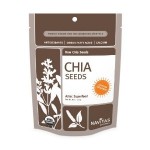
Chia Seeds
Chia seeds are a must. Chia seeds are similar to tapioca and I use them all the time to make pudding and other desserts because they plump up so nicely and give you a nice gelatinous texture which is difficult to replicate. Raw food rule of thumb: always keep chia seeds on hand in your pantry!
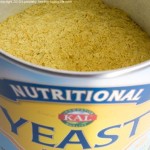
Nutritional Yeast Flakes
Nutritional yeast flakes lend a nice cheesy flavor when blender with creamy sauces made from cashews. I always keep nutritional yeast flakes on hand in case I want to make a raw cheese sauce or raw macaroni and cheese! Nutritional yeast flakes can sometimes be purchased in bulk or in containers. Check your local health food store for nutritional yeast flakes.
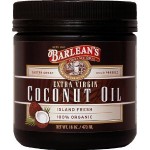
Coconut Oil
Coconut oil is something that is used sparingly to provide a fatty taste and texture. Coconut oil is found in a few select recipes, such as in raw chocolate bark. One container should last you quite a long time. Coconut oil is solid in cool temperatures and become a liquid in warmish temperatures so depending on the temperature it may resemble butter or oil.
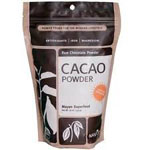
Cacao Powder
Cacao (cocoa) powder is a necessity in your raw food kitchen! It's used to make chocolatey recipes, which are crucial! If you are on a tight budget you could substitute non-raw cocoa powder from your local grocery store, but this raw cacao is the good stuff so use it if you can. Store and use it just like cocoa powder.
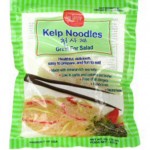
Kelp Noodles
Kelp noodles are so good. Please just buy one package of kelp noodles, make my raw alfredo sauce, eat them together and tell me whether I am lying! Yes, the packaging is ugly but they are so worth it! Kelp noodles basically have no taste. Kelp noodles are made from sea vegetables but they do not taste like sea vegetables. They are an alternative to pasta!
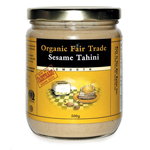
Tahini
Tahini is simply pure sesame seeds that have been ground up. Once they're ground, they become similar to peanut butter, in that they are oily and spreadable. In fact, tahini is even oilier and creamier than peanut butter. I don't use tahini on its own. Rather, I use tahini to blend with other ingredients when I need a quick, creamy texture. I always keep a small jar of tahini on hand. It can be stored in the refrigerator or in your pantry, similar to peanut butter. You can usually find tahini in your local health food store. Just ensure that it is raw.
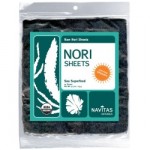
Nori Sheets
Nori sheets are seaweed sheets. They are used to make "sushi" rolls. Store them in your pantry and be sure to keep them dry. Nori sheets keep for a long time. Most nori sheets are "toasted" but you can definitely find "untoasted" (raw) nori sheets if you enquire at your local Asian food store. Toasted sheets are normally dark green, but untoasted sheets tend to be purplish in color.
Cold-Pressed Olive Oil
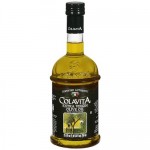
Cold-pressed extra virgin olive oil is something you'll always need to have on hand. It is an essential good fat! You can usually get cold-pressed olive oil in your local grocery or health food store. I use extra virgin cold-pressed olive oil (sometimes referred to as EVOO) frequently. For example, as part of a raw salad dressing. Do not be afraid of fats. If you are eating a 100% raw food diet then you need fats. You really do.
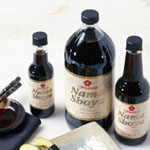
Cacao nibs are the raw vegan substitute for chocolate chips! I don't use them very often because they are expensive, but they sure are delightful! I do not use any cacao nibs in very many of my recipes, but there are many recipes that you can use cacao nibs in--just like chocolate chips in the Standard American Diet (SAD) world. Nama shoyu is a raw vegan alternative to soy sauce or tamari. Some people use wheat free soy sauce or Braggs liquid aminos. The choice is yours. Store this soy sauce alternative in your pantry similar to your extra virgin cold-pressed olive oil.
Cacao Nibs
Nama Shoyu
What's Being Talked About