Raw food recipes for the cold weather

By The Rawtarian

Raw vegan dishes are always enjoyable. But when those “Brrr” months kick in, wouldn’t it be nice to have something warm on your plate? While some of you might scratch your heads wondering what I’m going on about, let me just say not all raw dishes are frozen or chilled. So there’s no need to despair about eating cold food in freezing temperatures. And no, you don’t have to cook and break your raw food streak at all. I’m talking about authentic raw food recipes for the cold weather. I’m going to share with you some clever ideas you can try, so grab your notepad and start listing down these favorites (or maybe you can just bookmark this page). 

Raw creamy carrot soup

Nice warm soups are perfect for cold days. And remember, there’s no cooking involved here.

To make your own raw creamy carrot soup recipe, place chopped carrots, cashews, water and sea salt together in a high-speed blender and blend until you reach a really nice and smooth consistency. And here comes the trick – continue blending for a little bit longer so that the heat from the friction and the blades warms up your soup. Once you’re satisfied, pour the carrot soup into a bowl and garnish with anything you want. You must consume the soup immediately to enjoy its warmth.

Raw cream of celery soup

Here’s another 5-star, yummy raw soup that you can make in your high-speed blender.

Simply blend celery, cashews, garlic clove, water and sea salt together, starting on low as you gradually pick up the speed all the way to high. As with the carrot soup above, blend for quite a while longer to warm it up nicely. Pour the concoction into a bowl with finely chopped celery and gently stir using a spoon. Garnish and enjoy this raw cream of celery soup while still warm!

Raw veggie burgers

Dehydrators are also a much appreciated piece of kitchen equipment in the cold months. It may take hours on end to before you can enjoy your delicious raw food but it’s definitely worth it.

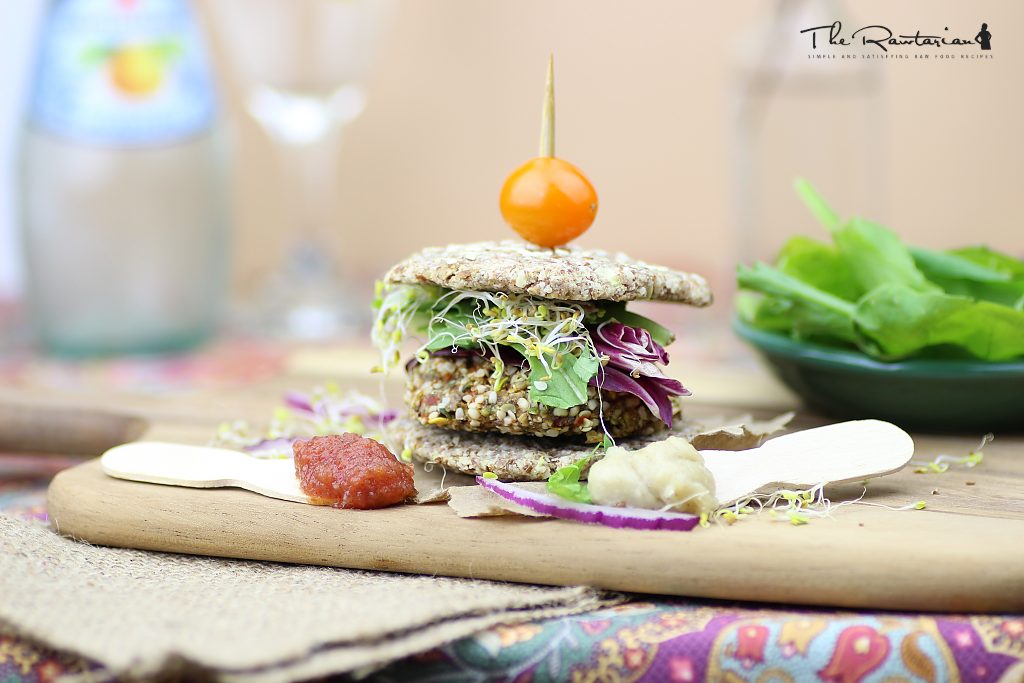
This raw veggie burger recipe is pretty easy to make if you have a dehydrator. Just process all the ingredients in your food processor except for the hemp hearts and chopped vegetables. Transfer the mixture into a bowl, then add the hemp hearts and veggies and mix well with a spoon. Form patties using your hands and arrange on dehydrator trays lined with parchment paper. Dehydrate on high and reduce the temperature after an hour and a half. Continue dehydrating for five hours or more until you reach your desired consistency. These savory veggie burger patties make an awesome match with some crisp lettuce. A perfect winter meal!

Raw hearty walnut pate

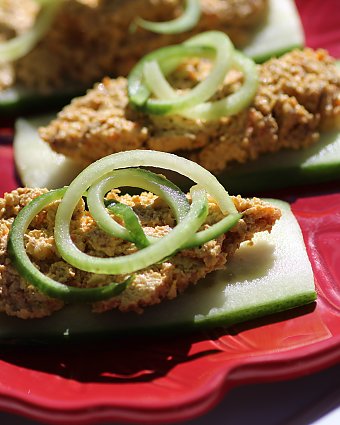
This rather salty-flavored raw walnut pate is a delightful recipe to dig into during those cold weathers. It has only a few key ingredients, and it’s very easy to prepare.

Place pre-soaked walnuts, white onion, carrot, celery stalk and sea salt in a food processor and process into a nice and smooth cream-cheese-like consistency. Only add the soy sauce (do not omit it!) to the mixture near the end and continue processing. If you process a little longer, the mixture will warm up a bit. This pate is a perfect match with cucumber rounds. 

Raw chili

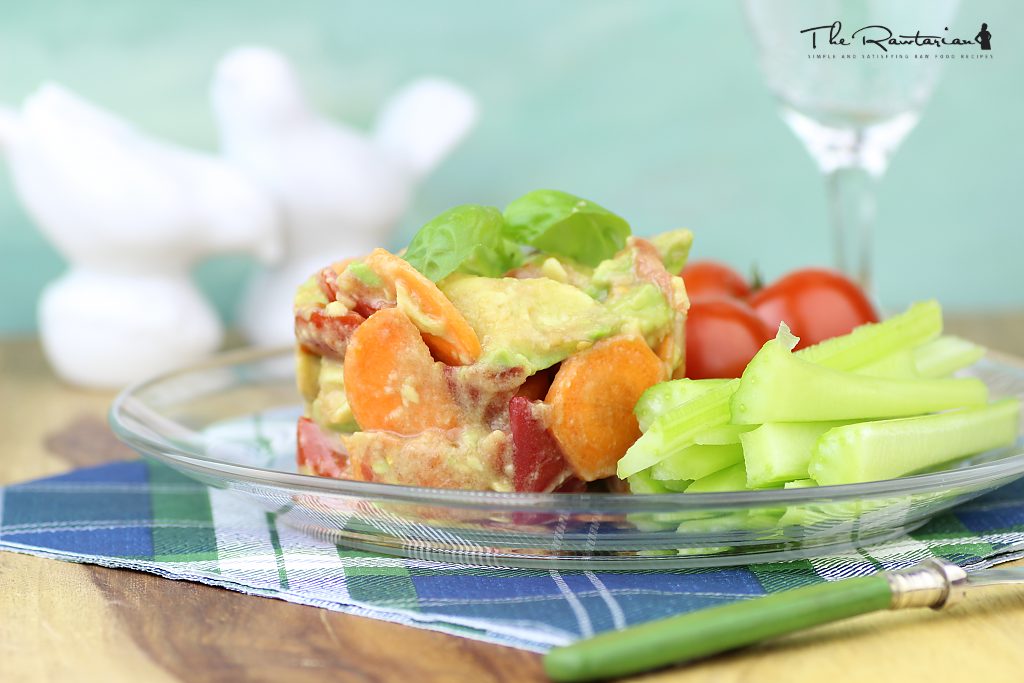
You can eat this chili on its own. Feel free to warm slightly in your dehydrator, although warming it is not necessary. (I don't bother warming it.)

This chili mixture also makes a nice salad topping. Plus, top with optional raw sour cream for yummy chili goodness! (In this picture I didn't take the time to make raw sour cream, but I did grind up cashews using a nut-grinder, which acts like parmesan cheese!)

To make this chili, first chop or shred the carrots and celery. Set aside. Then process the remaining ingredients. Combine and enjoy!

Raw recipes for cold weather

These are just a few ideas to get you going during a cold snap. And if you want to warm up some leftovers, you can also use a dehydrator for that. So don’t limit yourself to cold food, and don’t hesitate to try some of these  ideas. When you want some warm, cozy raw vegan meal, just take out your blender or pop your recipe in a dehydrator!

How to make raw vegan cheese

By The Rawtarian

Hands up, who thinks that making raw cheese is too hard?  When I first tried to make raw cheese - a long ways back! - it didn't turn out at all. I mixed it all up, let it sit for the required 48 hours, and... nothing! It didn't work. All I had to show for it was a lumpy unappealing mess.

So I checked out other raw cheese recipes. There was talk of fermentation, culturing and straining. Many recipes required rejuvelac, a mixture of sprouted wheat berries (yes, you have to sprout them first) and filtered water. You have to make the rejuvelac first (which requires up to 48 hours) and then make the cheese (a further 24 - 48 hours!). The recipes seemed overly complicated, with too many steps and fussing about. Nope, not for me!

I like things simple...

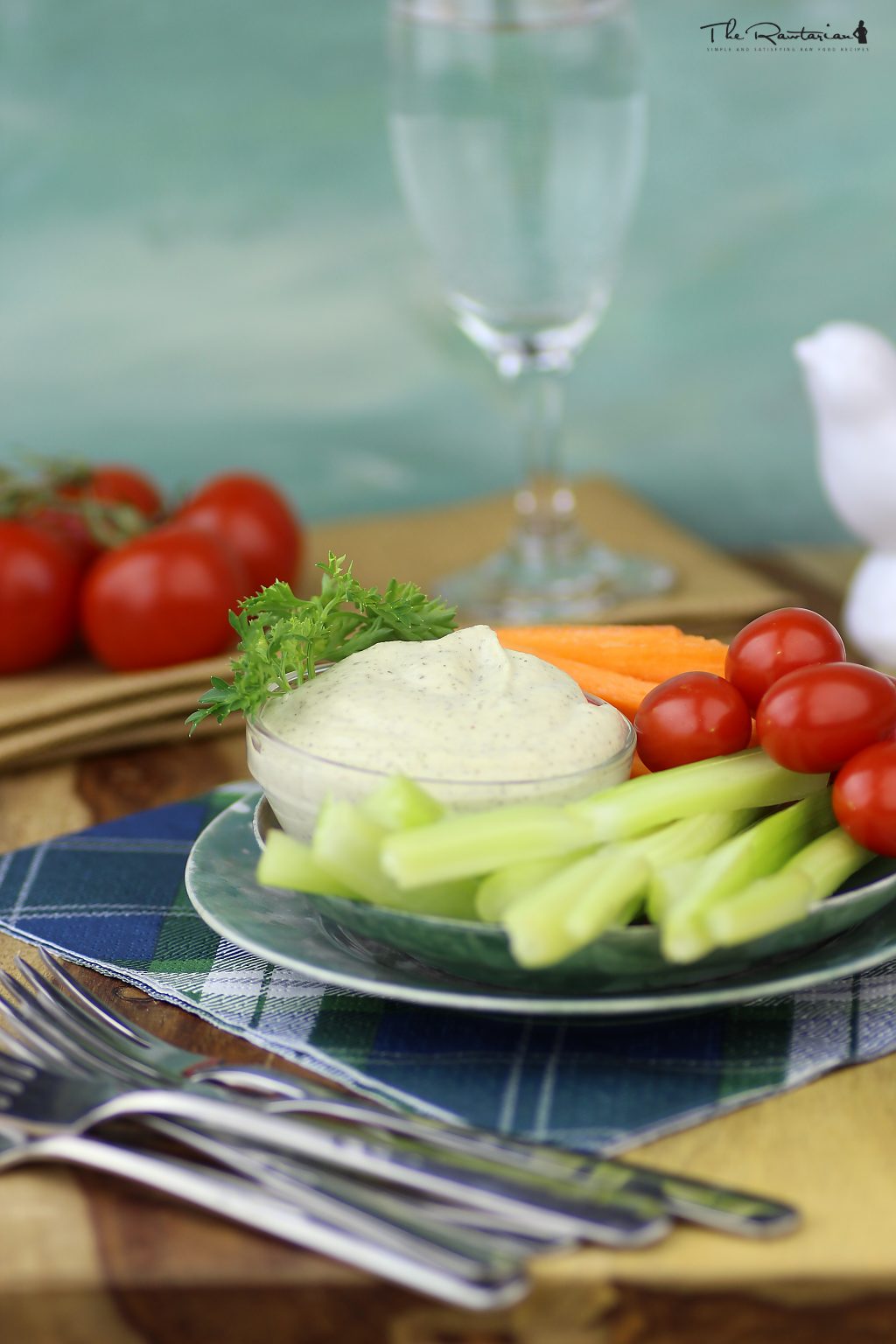
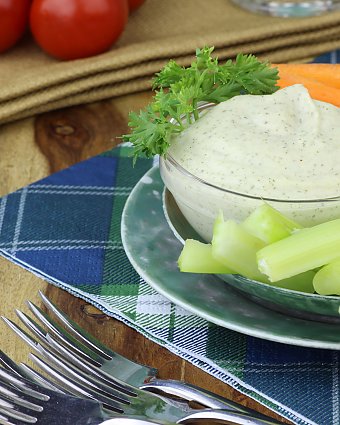
I like my recipes quick and easy. Enter my raw cheese sauce recipe (a must-have in my fridge). No fermenting. No waiting. No straining! This spreadable cashew-based raw cheese will rock your boat in so many ways. Freshly made, it's warm and liquid-y, perfect for serving over broccoli (the classic pairing!). Or pour it over your favorite veggies. Or use it as a dip (celery comes to mind here!).

When refrigerated, it firms up to a texture similar to cheese whiz. Perfect for spreading over raw bread or crackers. You can even dehydrate this mixture so that it resembles parmesan cheese! 

So if you need a cheese fix that's simple and quick, then try my raw cheese sauce. You can have it ready in just 3 easy steps:

  • Toss all ingredients into blender.
  • Blend like crazy!
  • Serve (and enjoy!)

Note: To get the ingredients and the full recipe (with user reviews, etc), simply skip over to my full recipe write-up here!


Raw food snack bars

By The Rawtarian

It’s nice to have something you can just bite into any time you get hungry, especially when you’re nowhere near a raw vegan restaurant or a fresh produce market. Keeping raw food snack bars in your purse or in a small cooler in your car (or maybe even in your pocket) is quite handy. (Just don’t store them in there for too long, of course!)

If you live in a metropolitan area and you get stuck in traffic a lot, the wait can get frustrating. If you’re a student cramming for your exams and don’t really have the luxury of time to plan which cafeteria to go to for healthy snacks, chances are you might end up with junk in a foil bag. Or if you just finished your daily workout, usually you’d want something quick and satisfying to nibble on.

We can all agree that being able to bring your favorite raw food in a snack bar is an awesome idea, yes? Then let me share a few of my raw food recipes that can travel and satisfy your craving in a snap.

Raw sesame seed bars

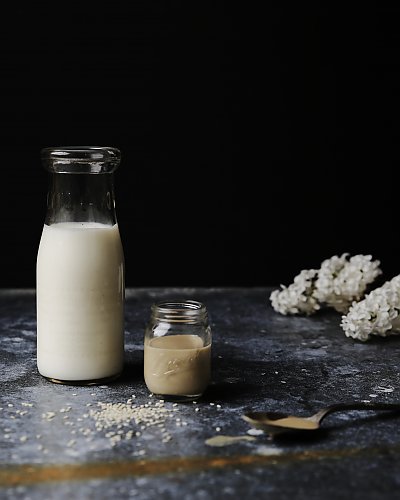
This is one of my favorites, its flavor is sweet but not too sweet, and it's very filling. The tahini is the secret ingredient in this recipe. You don’t need any equipment to prepare this recipe.

Simply mix all the ingredients starting with the dry ones: sesame seeds, raisins, dried shredded coconut, flaxseed meal, and sea salt. Then add tahini, coconut oil, maple syrup and vanilla extract. Once the mixture is well combined, place it in a large dish and press down firmly. Cover it and put inside the freezer for at least an hour. This raw sesame seed bar recipe is best served chilled, but it’s also a great raw food snack bar on the go. So if there’s no freezer or fridge wherever you’re going and if you decide to snack on it at a later time, keep it in a cooler or a freezer bag otherwise it will crumble.

Raw granola bars

Raw granola bars are perfect snack bars to go. They’re compact energy boosters, and this recipe is simply delicious!  Before you begin, let me tell you this: Don’t be intimidated by all the ingredients you see on this recipe. It’s not at all as complicated as it may seem.

Just briefly process your pre-soaked almonds and dates in a food processor and transfer the chunky mixture into a bowl. Next, add all the remaining ingredients and mix well before pressing the mixture into a glass dish. And you’re done! For traditional crunchy granola bars, you may optionally want to dehydrate some or all of them as well.

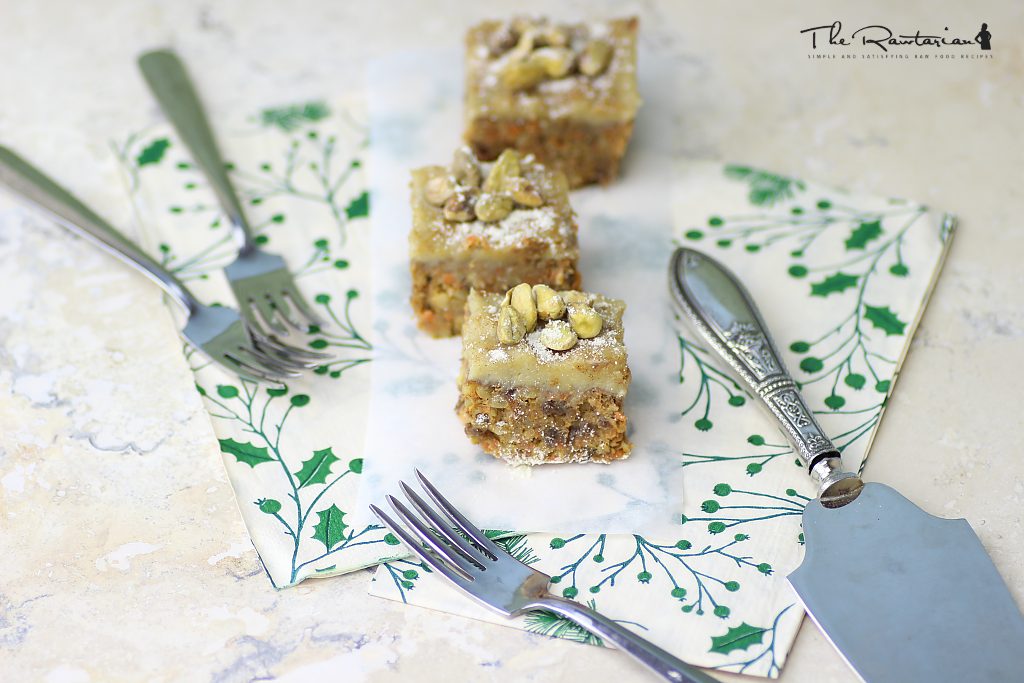
Raw carrot refrigerator cake slices

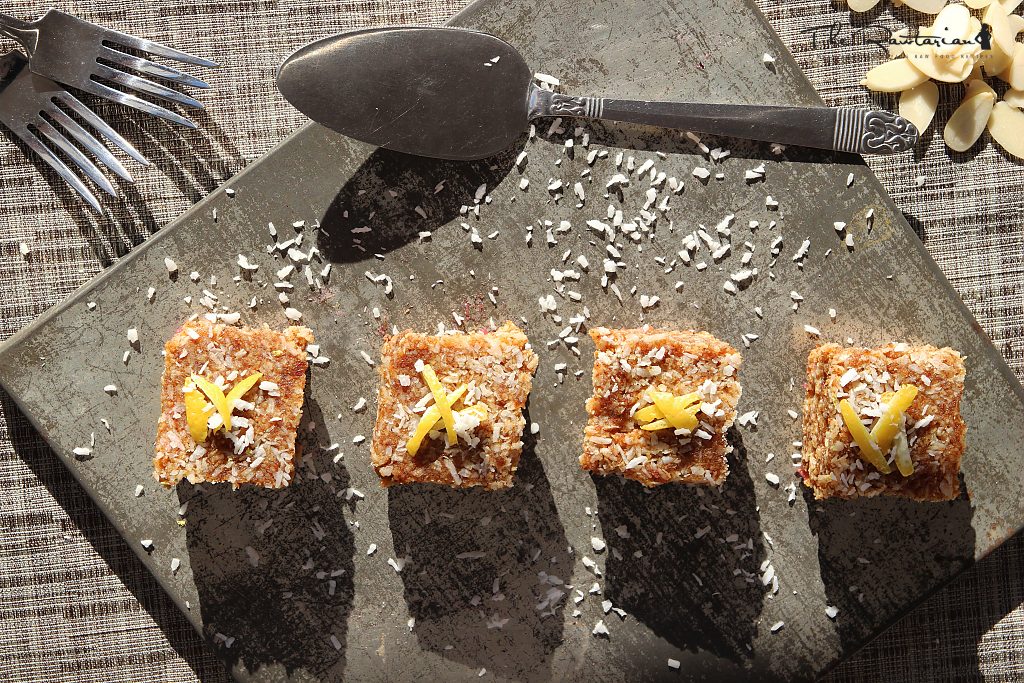
Snack bite slices of this raw carrot refrigerator cake recipe can transform this dish into an awesome snack bar. It also keeps well, which makes it great for travelling. Just take a few minutes to plan and prepare this raw food snack bar ahead and you’re good to go.

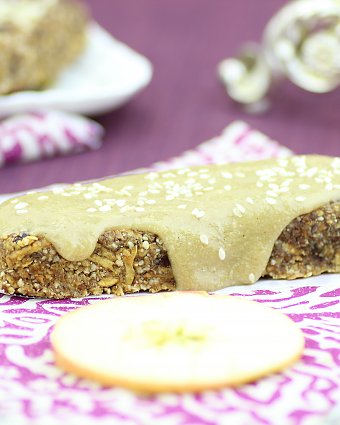
To make the cake, simply process your carrots briefly into little chunks. Add all the remaining cake ingredients into the food processor and process again briefly. Make sure you don’t over-process. The perfect texture must still have little chunks of carrots, nuts, etc. visible. Transfer the cake mixture into a dish and press down firmly and set aside. Meanwhile, blend all the icing ingredients in a high-speed blender until nice and smooth. Top the cake with your icing and refrigerate for two hours or so. Once the raw carrot refrigerator cake hardens, you can slice it into snack bar sizes. This recipe is also best kept in a cooler if there’s no fridge where you’re going.

Take your bars on the road

Healthy snacking can be challenging most especially when you’re not in the comfort of your home. But it takes only a few minutes to plan ahead so you’ll always have something ready in your fridge or cooler for sudden cravings. Preparing these raw food snack bars is quite simple and very easy, so don’t hesitate to try and make them yourself. Can you think of other tasty raw food recipes you can snack out on?

Raw peanuts: Should you or shouldn't you?

By The Rawtarian

We all know the health benefits of peanuts (and most of us love the taste!), but what about the down-side?

How could raw peanuts possibly be unhealthy for you?

And should you eat raw peanuts?

The good thing about peanuts...

Peanuts are good for you, right?. As far as nuts go (and peanuts are actually a legume!), peanuts are an excellent source of protein. They are also provide fiber, certain vitamins/minerals, and fat. And they make really good peanut butter! But should you eat them raw?

Raw peanuts are not poisonous

Raw peanuts are not poisonous to eat. They are a crop that have to be dried, and the drying process is where contamination can occur. If peanuts are not dried correctly, they are prone to growing molds, particularly one called aflatoxin. Aflatoxin primarily affects the liver: chronic exposure can lead to cancer, hepatitis, or cirrhosis.

What does the government say?

The U.S. FDA does provide guidelines for its own peanut crops. However, Canada has stricter guidelines, and has been known to return shipments of U.S. peanuts that exceed their own safety requirements. Raw peanuts and raw peanut products from other countries may not be subject to such standards. Even if your favorite raw peanut butter is made in the U.S.A., the peanuts themselves may have come from another country.
So you still want to eat raw peanuts…

If you choose to eat raw peanuts or raw peanut products, ask a few questions: what country do the peanuts originate from? How fresh are they? Make sure to toss peanuts that are old, or look moldy, shriveled, or discolored.  Don’t over-indulge in them. Long-term exposure increases the risk of ingesting toxic levels of aflatoxin. Keep in mind that children are more susceptible to aflatoxin than adults. Jungle and Valencia peanuts are apparently safer to eat than ‘regular’ peanuts, though I’ve not researched this. Also, stick with well-known, name brands.
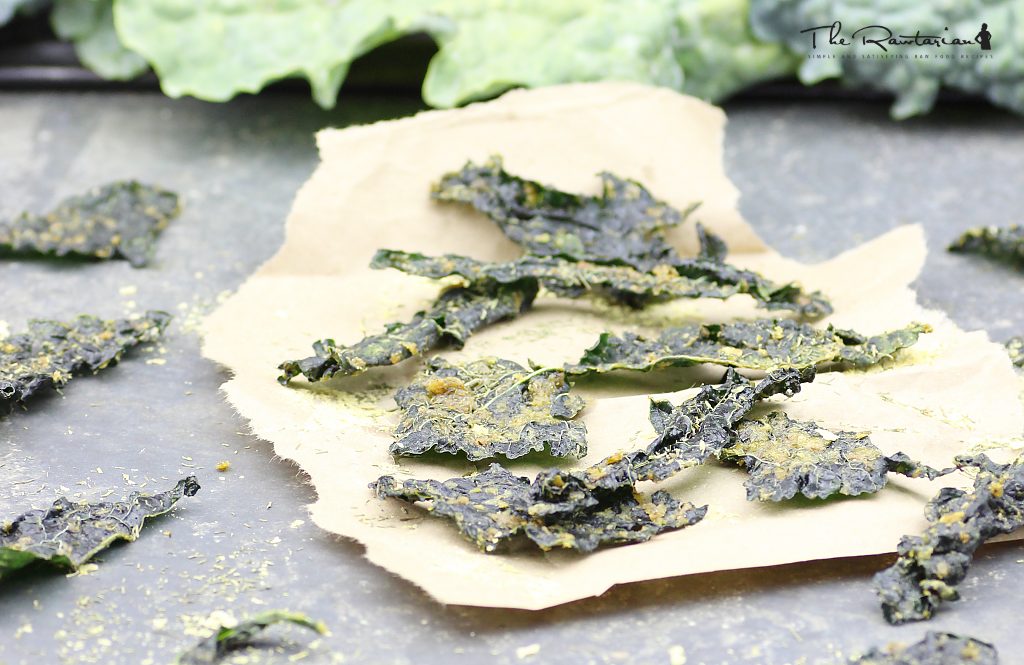
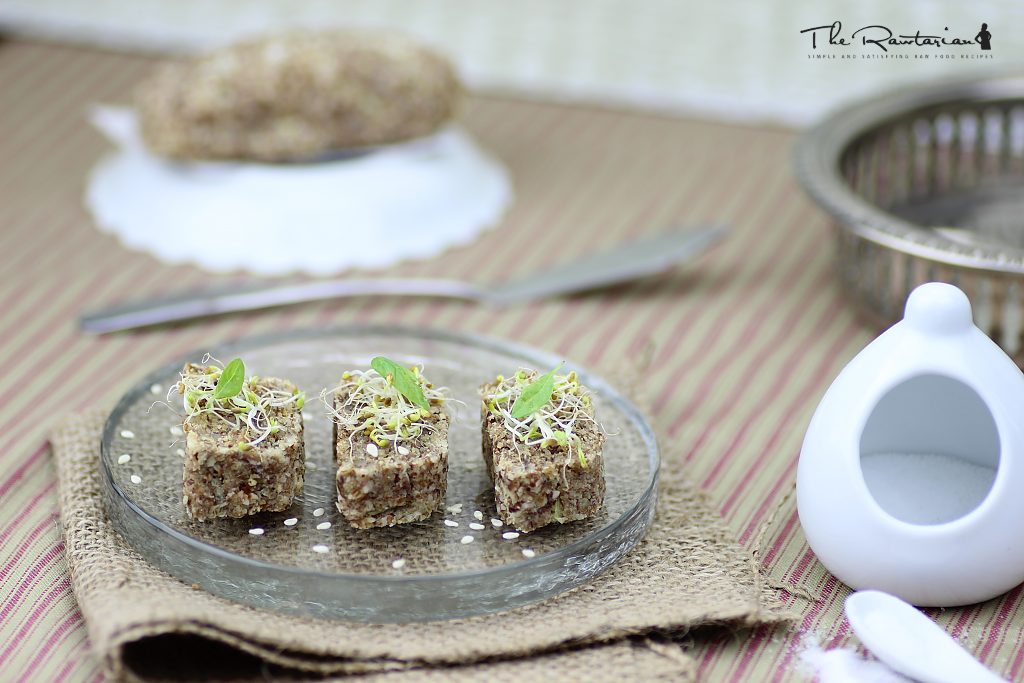
Do I eat raw peanuts?

I do not advocate eating raw peanuts, and I don't eat them. The risks outweighs the benefits, especially when there are other raw nuts you could substitute for peanuts. Do your own research - you will read many articles that say raw peanuts are safe to eat, and other articles that say they are not. It’s up to you to make the right decision for yourself.

For more information:

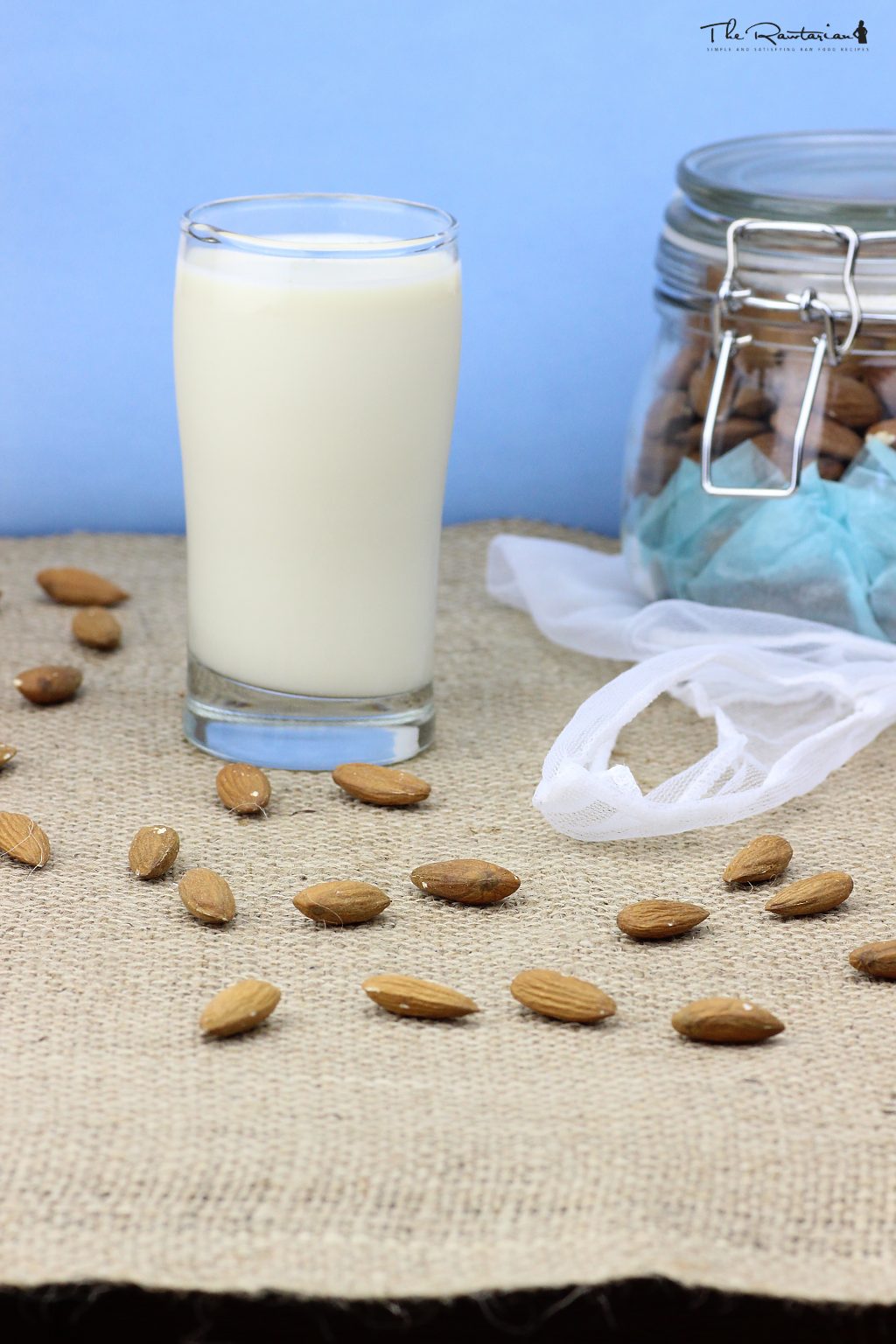
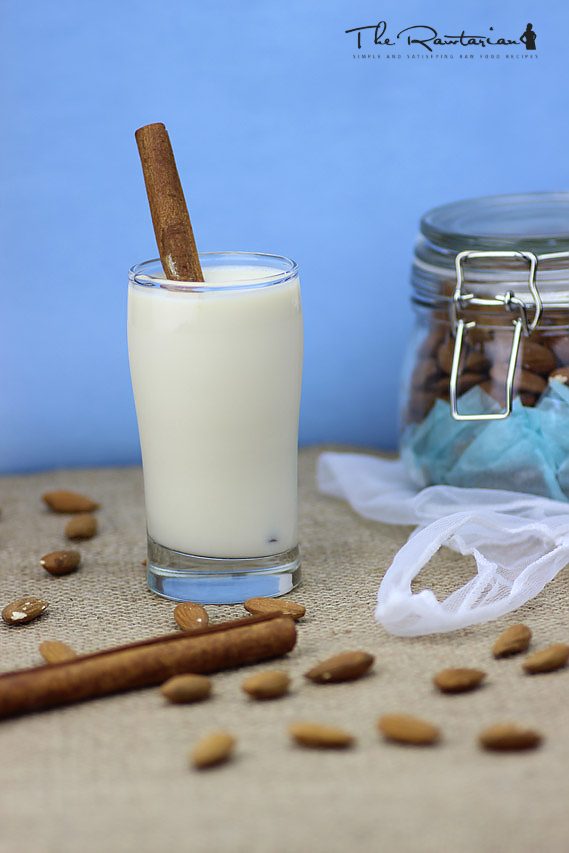
How to make raw almond butter

By The Rawtarian

I love almond butter. Nothing makes a better snack than raw crackers topped with scrummy almond butter. I can't eat an apple without slathering each slice in the stuff . And while store-bought is pretty good, home-made almond butter is that much better. Now you've probably heard stories about making almond butter: how long it takes, the difficulty... But it isn't that hard, truly!

Really, the key factors to making excellent almond butter at home are high quality almonds, a food processor (yes, you heard right), and a little bit of extra time.

Ingredients

  • 2 c. Almonds
  • 2 tbsp. Honey
  • 1/2 tsp. Salt

You need almonds (of course!), plus some honey and salt. That's it. And you need that food processor. So, are you ready? Then let's do it!

Toss the almonds into your food processor. Start processing. Continually scrape the sides. And that's it! Process and scrape. Process and scrape. Do this for about 10 minutes (time will vary depending on strength of your food processor).

The mixture will be powdery at first, but that is normal. Keep processing and scraping. It will turn into almond butter, so don't lose your patience!

Oh, and on the topic of almonds: do not pre-soak your almonds. Use dry almonds or this recipe will not work!

The Rawtarian says:

Use your food processor for this recipe!

When it does reach the consistency that you like, mix in the honey and sea salt by hand. Grab a spoon and taste your butter. Isn't it divine?

Making almond butter isn't difficult nor should it be traumatic. Make sure to use high-quality dry almonds for the best butter, use your food processor, and don't hurry the process. The end result is totally worth it!

What is Diatomaceous Earth?

By The Rawtarian

The subject of diatomaceous earth has been gaining popularity, and I’ve received a few emails about it lately. It seems to be pretty trendy! But what is diatomaceous earth exactly? What does it do? How does it work? How does it relate to raw food? Well, to those who are wondering what the buzz surrounding it is all about, I’m going to try to address all the questions I’ve received (and maybe more) in as simple and understandable way as possible.

Diatomaceous Earth

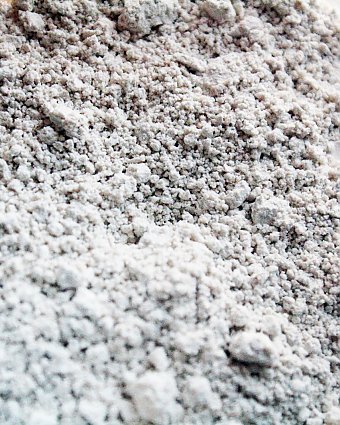
Let’s start by getting to know it. Diatomaceous earth (DE) is an off-white powder consisting of fossilized remains or silica shells of tiny aquatic organisms called diatoms (a type of algae). In short, it’s made of long dead algae. It’s also known as fossil shell flour. On a microscopic level, the particles of DE appear to look like cylindrical honeycombs with sharp edges. Even though DE doesn’t look or feel like it to the touch, apparently its particles are pretty hard like tiny shards of glass. DE is also a drying agent because of its absorbent qualities. 

Food Grade DE and Filter Grade DE

There are several varieties of diatomaceous earth, but the most commonly used are what we call food grade DE and filter grade DE. Food grade DE is not exactly food per se. Basically, it’s used in grains as anti-caking agent, in animal feeds for deworming, and in pesticides/insecticides. They are very effective in eliminating exoskeleton parasites like worms and insects because food grade DE dehydrates their oils and fats until they die. Food grade DE’s hard, honeycomb-like particles with its sharp edges also “scrub” the walls of intestines removing toxins and heavy metals.

Filter grade (or pool grade) DE, on the other hand, is mostly used for filtering water in swimming pools and is not safe for consumption because of its high crystal silica content (read poison).

What Food Grade DE Users Say

Although food grade DE is registered for use in grain storage, animal feeds and pesticides, and the usage of product intake in humans is met with doubts and criticisms among skeptics, there are people who use it as a detoxifying agent by mixing a tablespoon or two with their food or drink. Testimonials from believers of the “cleansing and healing effects” of food grade diatomaceous earth say they felt  much better after using it. They claim it flushes out toxins, parasitic organisms (which could cause sudden food intolerance), and heavy metals our body cannot process.

Silica is also one component of diatomaceous earth that is noteworthy, because it is a very important trace element in human bodies. It aids in mineral absorption, regulates calcium levels and promotes collagen production in bones. Apparently, food grade DE contains 80%-90% amorphous silica (harmless) and only less than 2% crystal silica (harmful), which makes food grade diatomaceous earth a natural organic source of silica. Although food grade DE mostly just passes through our body and only very little of its silica is absorbed into the blood stream, many users also claim that consuming diatomaceous earth has helped relieve their arthritis and sore joints, lowered their high blood pressure and high cholesterol levels, cleared up their skin, toughened up their nails and strengthened their hair, among many other benefits.

Diatomaceous Earth and Raw Food

Many users consume about a tablespoon a day by either mixing it with their juice or water. Others use it only very minimally.

I have not yet found any foolproof findings based on scientific research regarding the benefits of food grade DE in human consumption. But this type of DE is basically raw (like raw flour) since it is unheated and naturally organic, unlike filter grade DE that is treated with high heat (which crystalizes silica and makes it highly toxic).

If you ever plan to use diatomaceous earth, it is very important to remember to get FOOD GRADE, and never filter/pool grade!

There are also no absolute guarantees in consuming food grade diatomaceous earth, but some people do seem to be eating FOOD GRADE DE in small quantities. And since DE is a drying agent, just be careful not to get any powder in your eyes. Also, if you have asthma or lung issues, be careful not to inhale it because it may cause breathing problems (just like any other dust would).

And with that said, food grade diatomaceous earth is the type of DE you would want to buy if you ever plan to include it in your raw food recipes. Make sure you are well informed about the product before getting into using it. It’s also advisable to consult an expert regarding what its effects are going to be on your body prior to trying it out.

What are your thoughts on diatomaceous earth?

Raw food nutrition basics

By The Rawtarian

When it comes to embracing a new way of eating, there are nutritional considerations that need close attention. For us raw vegans, there are quite a few raw food nutrition basics to be considered. But in this article, we will touch on two of the probably most talked about elements in a vegetarian/vegan diet: protein and vitamin B12.

Hey, I know it’s getting a little bit too “science-y” in here, but this isn’t a science journal so I’ll try to not make it sound like one. These nutrition basics are just vital tidbits of information you need to take into account to help improve your raw eating habits and avoid health complications.

Protein

Aah protein: the one thing that our meat-eating friends are deeply concerned about us vegans for! Because many of us grew up in a culture that teaches us that animal-based foods are the richest source of protein, a lot of people think that vegans can't get protein without eating meat. However, that is just a common misconception. Proteins do exist in plant-based foods. Otherwise, how else do cows and horses get their massive strength and fit structure? Some of the best plant-based sources of protein are almonds, hempseed hearts and sprouted lentils.

As raw vegans, it is important to be aware how to get protein on a raw food diet. Proteins are made up of different combinations of amino acids; those which our bodies produce (non-essential amino acids) and those that can be gained from the food we eat (essential amino acids). A combination of all nine essential amino acids relative to the needs of our body is called a complete protein.

Proteins serve a lot of different functions; as enzymes, hormones, antibodies, as well as aid in transporting oxygen and in contracting muscles, etc. Yes, they’re very hardworking fellas! They’re found in every single cell of our bodies, keeping each cell in good working condition. They also build, maintain, and replace tissues like in our skin, muscles, hair and so on. That’s a lot of work.

Now where can raw vegans get their protein from and how much exactly do we need? You might not be aware of it, but you’ve probably already been consuming lots of them. Green leafy vegetables, nuts and seeds are in fact rich in proteins. Almonds and hempseed hearts in particular contain higher amounts of protein compared to other raw food. As per an adult’s daily recommendation of protein intake, female vegans need around 46-58 grams per day, while male vegans need around 56-70 grams.

The calculations can get a tad complicated but don’t stress yourself over it. If you want to learn more, I have an article that tackles protein a bit further and has a list of some raw foods with their protein levels.

Vitamin B12

Aside from protein, raw vegans should also pay attention to their vitamin B12 levels and ensure that their intake of this vitamin is adequate since B12 comes from animal products. I would like to emphasize that this is a highly important issue. Because B12 actually plays a huge role mainly in making our blood cells, nervous system and brain function properly. And studies show that having a B12 deficiency causes serious health risks such as anemia, nerve degeneration and neurological impairment.

No plant or animal is capable of producing Vitamin B12, and it can only be produced by bacteria and archaea. B12 is typically found in animal-sourced products like meat, fish, eggs and milk. Some fortified foods and nutritional yeasts also contain added B12. So how do we raw vegans get this essential vitamin into our system? While there is a lot of controversy surrounding plant-sourced B12, scientific research consistently shows that these sources are not reliable and won’t be enough to restore your levels to normal once you’re diagnosed with a deficiency. That is why B12 supplementation is the most viable option.

Our body’s recommended intake for B12 is a little low (minimum of 2.4 mcg per day for adults and higher for pregnant women). And our body can store this vitamin for long periods of time, so symptoms of deficiency might not be evident at the moment. However, just because you’re not showing signs of deficiency, don’t get complacent. If even the mildest deficiency doesn’t get immediate attention and treatment, the damage can be irreversible. You don’t want that.

B12 is a complicated vitamin that is a most important thing to consider for raw vegans. I encourage you to read Today's Hot Topic: Vitamin B12 for a more detailed exploration of this element and my personal experience with symptoms of B12 deficiency.

Nutrition Round-Up

I hope that wasn’t too overwhelming. For raw vegans (and those planning to become one), these raw food nutrition basics are important information that we should be aware of. Don’t get me wrong. It’s not meant to scare you at all, but rather equip you with useful knowledge so that you can develop a well-planned diet that can meet all your nutritional needs.

5 quick & easy raw dinners

By The Rawtarian

In a rush, and want dinner fast? With work and family and life happening around us 24/7, sometimes it seems like such an effort to make a meal. Don't let yourself go hungry, or grab something that isn't good for you (like chips or cookies!). 

The next time you want food NOW, test-drive one of these recipes. Each one takes only 10 minutes or less to prepare! 

Raw Cream of Celery Soup

For a quick light meal that satisfies, try this Cream of Celery soup. Toss the ingredients in your blender and blend well... And that's it! A 5-minute meal that's a cinch to make. Cashews make this soup creamy - no dairy here. 

For a more filling meal, serve with a handful of Basic Raw Crackers

Raw Salmon Salad Pate

Sounds complicated, right? Not! This Salmon Salad Pate is a breeze to make with no prep required. Sunflower seeds provide the base for this delicious spread.

This is dee-lish served on a bed of salad greens, with maybe a splash of cider vinegar for a bit of tang. Yum!

Raw Walnut Pate

Who knew a Raw Walnut Pate could taste this good!  All you need is 10 minutes, a few ingredients, and dinner is ready! Serve on crackers or onion bread or cucumber rounds (my fave!).

Soy sauce is the 'secret' ingredient that makes this recipe pop!

Raw Egg Salad

This is what you've been waiting for: a fantastic cashew-based Raw Egg Salad recipe that actually tastes like egg salad! And only 5 minutes to prepare! 

Serve on a bed of romaine lettuce and dig in. Instant happiness!

Raw Marinated Mushrooms

Crazily enough, these Raw Marinated Mushrooms have the texture of cooked mushrooms. And they're so fast to prepare - all of 5 minutes! 

Toss these into a big green salad for extra oomph. Or nosh them on their own. Either way, you'll enjoy these little bites of bliss!

Dinner in a snap...

So the next time you're hungry and in a hurry, don't reach for the junk food. Take a deep breath, chill out, and throw together one (or more!) of these recipes.   

See? Fast food CAN be good for you!

Raw Desserts for Easter

Found in:
By The Rawtarian

Woohoo, Easter weekend! For some of you that might mean a few extra days off work, and extra family time - two wonderful things!

Holidays revolve around family and eating, which make perfect opportunities to share raw desserts with family! Nobody can resist dessert, including me!

Wondering how to wow the fam at Easter?

Easter raw food dessert recipes (no dehydrator required):

Quick and Easy:

The Rawtarian's grandma-style raw brownie recipe is a no-brainer.

Medium Effort:

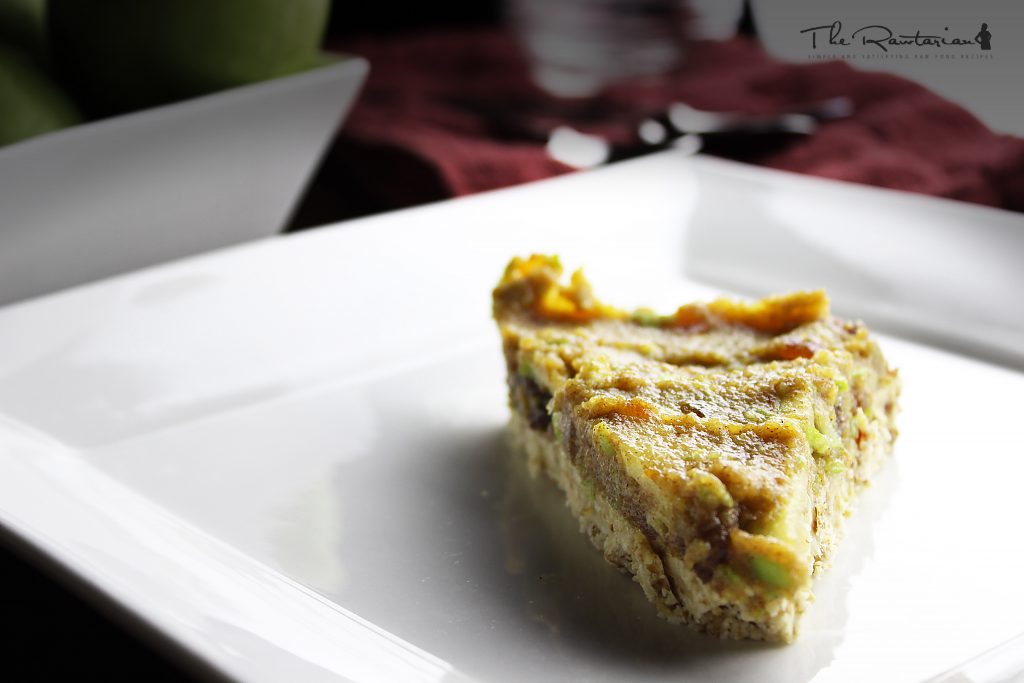
Old-fashioned raw apple pie or classic raw chocolate shortbread cookies.

Most Effort:

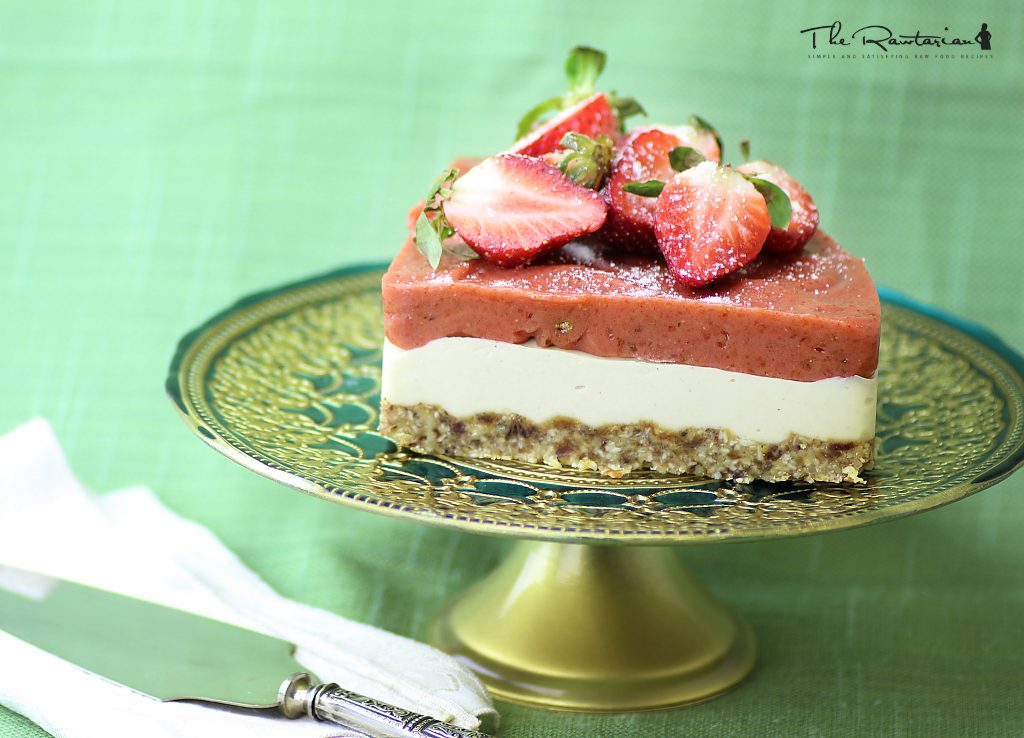
Rich raw strawberry cheesecake or decadent raw carrot cake!

Whatever raw goodies you make, try to up the raw ante this weekend. I know I will be hopping up a storm in my raw kitchen! (Get it, hopping like a bunny, yah?? <groan> <heehee>)

Hope the raw Easter bunny finds you! And if it's not likely to find you, take that bunny by the reigns and raw-i-fy your Easter!

What raw goodies are you going to make this weekend?

Top 5 easy raw food recipes

By The Rawtarian

Getting started on a raw food diet may sound like too much work with all these tasty-looking photos of raw food that look like they went through a complicated and time-consuming process. Out of all the raw food recipes out there, it may seem quite hard to pick out which recipe you should start on. But you don’t have to end up settling for a typical raw salad! You may be surprised to discover there are actually really easy raw food recipes to prepare. And easy raw recipes are exactly what you need if you’re new to eating raw food.

Here’s my list of the top 5 easy raw food recipes that I bet would make you proud of yourself after making and succeeding on your first attempt. 

Rawtarian's silky green smoothie recipe 

A yummy green smoothie is always such a treat. You just put in bananas, oranges, and an apple in a blender together with water, lemon juice, cinnamon, and chia seeds. But wait! Don’t forget the spinach (especially the spinach) since that’s what makes it green.

Spinach may seem like a strange ingredient to add to a smoothie, that’s why it’s essential you have a high-speed blender like a Vitamix or a Blendtec for making tasty green smoothies with a silky texture.

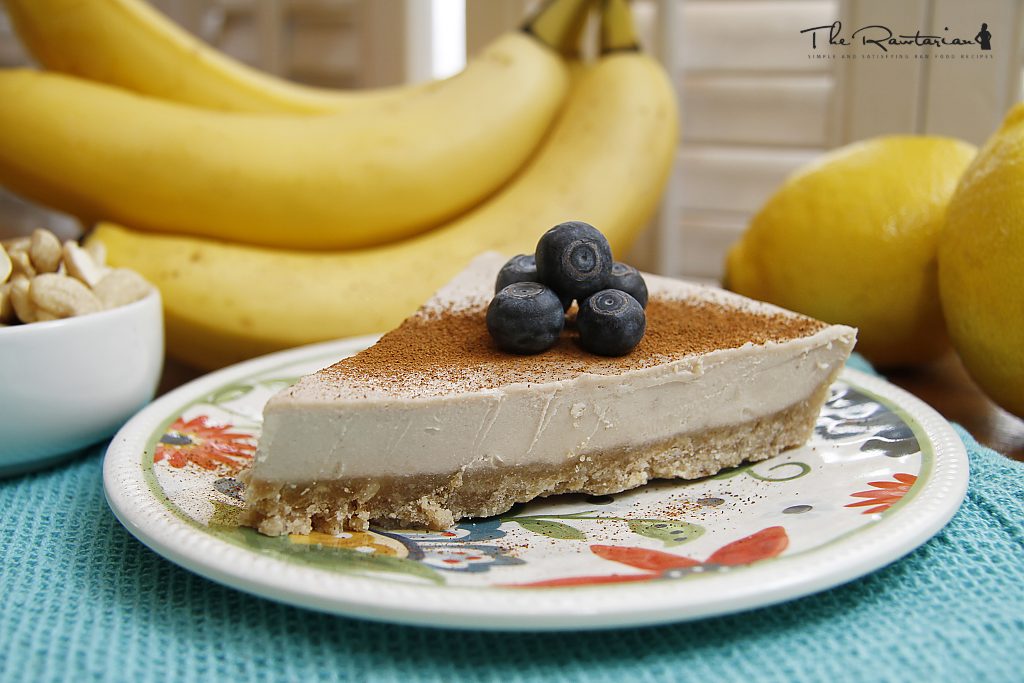
Raw banana cream pie recipe

A conventional pie would be baked in an oven. However, since this is a raw food recipe, there is no such thing as baking involved in making this delicious raw banana cream pie. What you will need is a freezer.

But before that, you have to start with the crust. Just mix all the crust ingredients in a food processor or blender until it sticks together. Press down the mixture in a glass dish to make the crust. After blending all the banana filling ingredients to a smooth and creamy mixture, pour it onto the crust, cover it, and let it freeze. Now you just have to wait for it to actually freeze, and then you can indulge yourself in a healthy banana cream pie.

Raw walnut pate 

Successful raw food recipes don’t have to always be sweet. You can let your tastebuds enjoy the smooth and salty flavor of a very easy and quick to prepare raw walnut pate.

In this recipe, you will need to soak the walnuts first for at least half an hour and then rinse. Process all the ingredients in a food processor, making sure to only add the soy sauce near the end of the processing, and serve it on cucumber rounds. The soy sauce is a vital ingredient that brings out the flavor in this dish. So never prepare this easy raw food recipe without it.

Raw chocolate fudge in 1 minute 

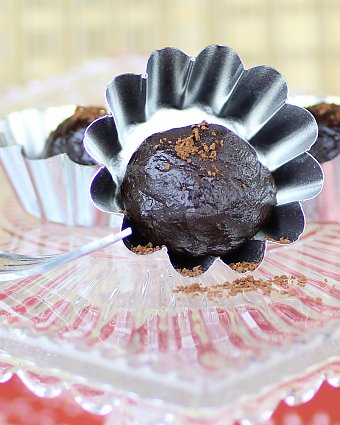
This raw chocolate fudge recipe is probably the easiest and quickest raw food to make among the five in this easy raw food recipes list. You just need cocoa powder, coconut oil and honey together in a bowl. Yes, seriously, those are all the ingredients you need. You don’t even have to stay in the kitchen to mix them! Just be careful with the measurements though, as you don’t want to add a little too much of any ingredient. This simple raw chocolate fudge is a sweet treat you can enjoy anytime.

Raw brownie recipe

Here’s another chocolatey yet healthy delight for your tastebuds. In this raw brownie recipe, you need to crush the pecans first in a food processor before adding the dates. Blend them together to form a sticky mixture and then add the rest of the ingredients to be processed. Remember, it’s important that the mixture not get too buttery by over-processing. After processing, you can chill it in the fridge or serve it right away. My raw brownie treat tastes so good you wouldn’t even know it was made of only raw ingredients unless you made it yourself.

Which recipe will you choose?

Alright, there you have it: my top 5 easy raw recipes. Now that wasn’t so hard, was it? One great thing about preparing raw food is that you don’t really need many kitchen tools. Most of the work is done by your food processor or your blender---or sometimes just your hands and a spoon. And you don’t have to wait too long either. You can whip up a delectable and healthy raw dish in just a matter of minutes.

Getting into the raw food diet isn’t as daunting now, is it? Not only is this easy to prepare raw food recipes list good for raw food newbies, but also for everyone who’s too busy to bother with staying too long in the kitchen. So go ahead and try making these easy raw goodies and enjoy the surprise of making healthy dishes that taste delicious and don't take too long to whip up.

Pages