Overview - Courses Explained

The Rawtarian says:

"This short module shows you how to take an online course!"

This first module explains how to take this online course and familiarizes you with this effective learning system. You can take this course as quickly or slowly as you like. Modules will unlock as you complete them. This is Module 1.

On the Menu - Raw Vegan Lunch!

By The Rawtarian

Lunch today:

  • Raw Chili
  • Raw Bread - Moist Spongy Loaves
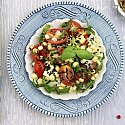
  • Raw Fiesta Salad
  • Raw Red Pepper Dressing

Today's lunch menu is all about flavor, people! If your lunches have been a little 'meh' lately, here's some inspiration. It's time to wake those tastebuds up!

Start off with a bowl of fiery chili accompanied by some oh-so-delectable raw bread (yes, there is such a thing!). Next up: salad! Treat yourself to a colourful Fiesta salad, or toss a green salad with a red pepper dressing for maximum 'yum' factor!

Raw Chili

This hearty Raw Chili packs a flavor punch. The surprise ingredient: walnuts! Tomatoes, celery and carrots (and chili powder, of course!) also feature in this must-try recipe.

If you used to love chili in the 'old' days, you'll adore this raw vegan alternative!

Raw Bread - Moist Spongy Loaves
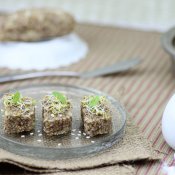
Thinking you need a chunk of fresh bread to go with that chili? Well, this Moist Spongy Loaves recipe has come to your rescue! Soft, supple and scrumptious, and no, I'm not exaggerating!

Psyllium husk is what gives this bread its spongy texture.

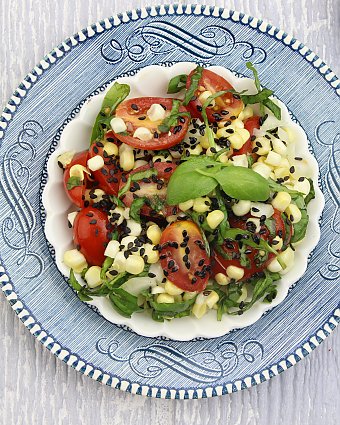
Raw Fiesta Salad
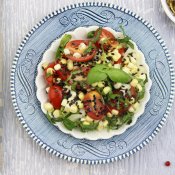
Summer is the best time to enjoy this colorful Raw Fiesta Salad. Fresh corn is what makes this salad pop, along with cherry tomatoes, onions and basil.

To easily remove corn niblets: remove outer husk, snap corn cob in half with your hands, place vertically on cutting board and slice downwards.

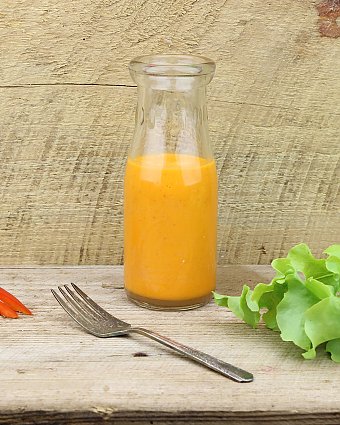
Raw Red Pepper Dressing
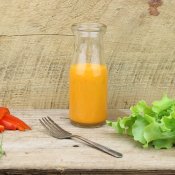
If you want to add some zip to your big ol' green salad, check out this Raw Red Pepper Dressing. This nut-free dressing is simple to make and subtly tangy.

Fresh ginger adds pizzazz but is optional.

Lunch-time, here we come!

You don't have to hit a restaurant to eat scrumptious, snazzy meals like this. With these simple recipes, you can jazz up lunch time like a pro. It's good to rock the raw lunch boat on occasion, don't you think?
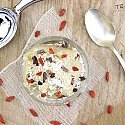
 

5 Best Homemade Vegan Ice Cream Toppers

By The Rawtarian

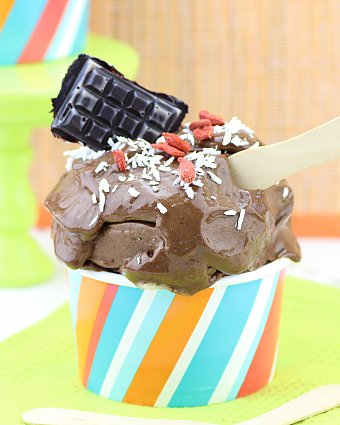
Ice cream is sooo good, even in its 'plain-Jane' form. You'd be surprised at how many people say that vanilla is their fave flave!  But you gotta add some excitement to your ice cream at least once in your life!

Here's a selection of raw vegan ice cream toppers that just may surprise you. Start the ball rolling with a serving of Raw Soft Serve Ice Cream or Raw Chocolate Ice Cream ...

Raw Brownies

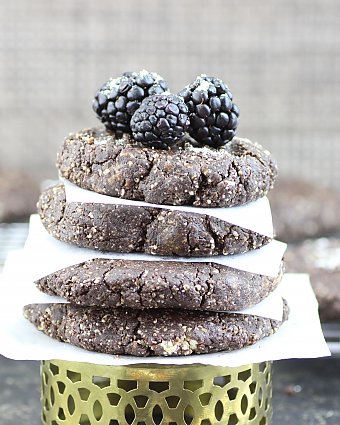
Seriously, Raw Brownies make an ah-mahzing ice cream topper. Just make up a batch of brownies and DON'T put 'em in a pan! Keep the crumbled-up mixture in a container, and mix some in with your ice cream whenever the mood strikes.

Try it. And admit that you like it!


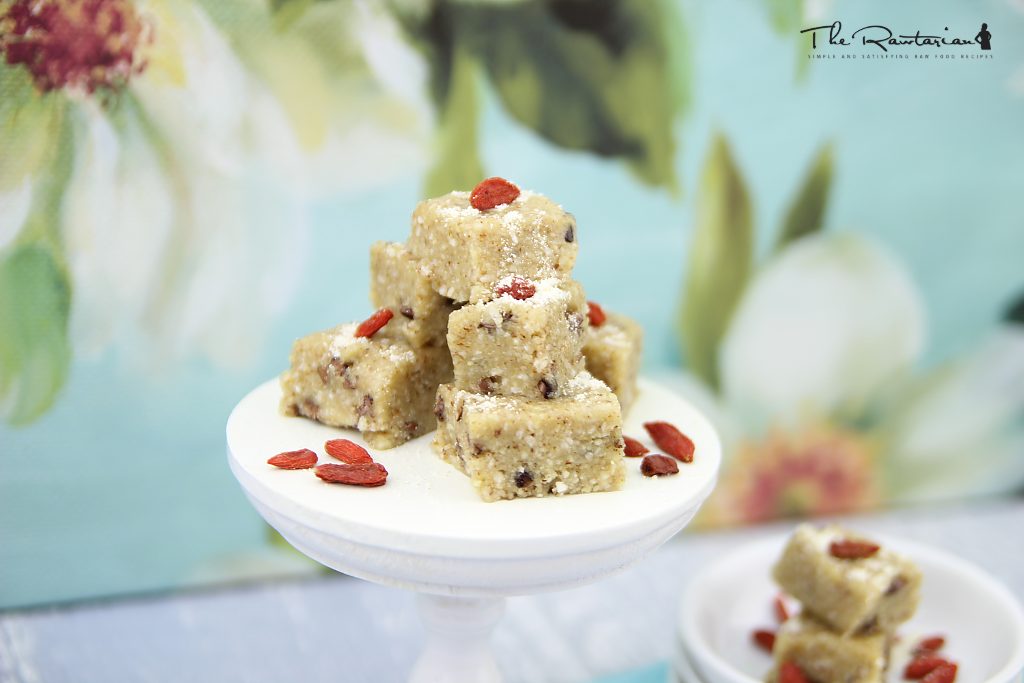
Raw Chocolate-Chip Cookie Dough Fudge

Here's another excellent ice cream topper. Raw Chocolate Chip Cookie Dough Fudge. The name says it all, dontcha think? Mix in fudgy chunks of goodness with your ice cream. Devour immediately.

Pair this topper with raw chocolate ice cream for a flavor extravaganza!

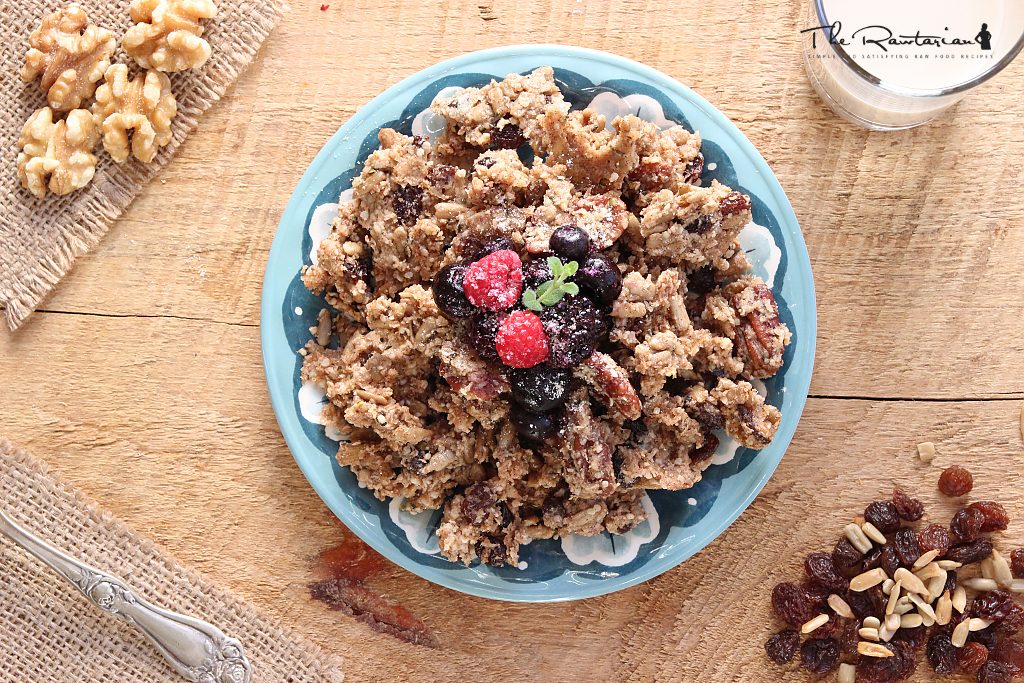
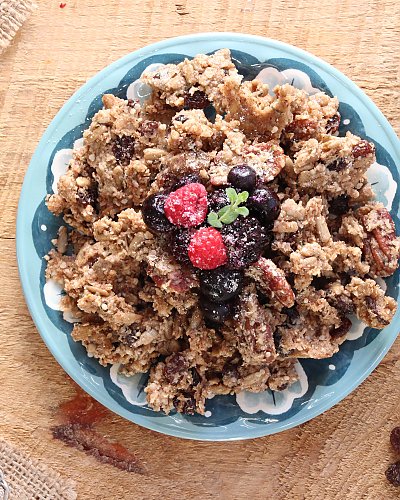
Raw Granola

If you're in a 'nutty' mood, try topping your ice cream with Raw Granola. Sunflower seeds, hemp seeds & pecans are just a few of the ingredients in this super yummy granola.

Always keep a batch of granola on hand for breakfast... and for ice cream!

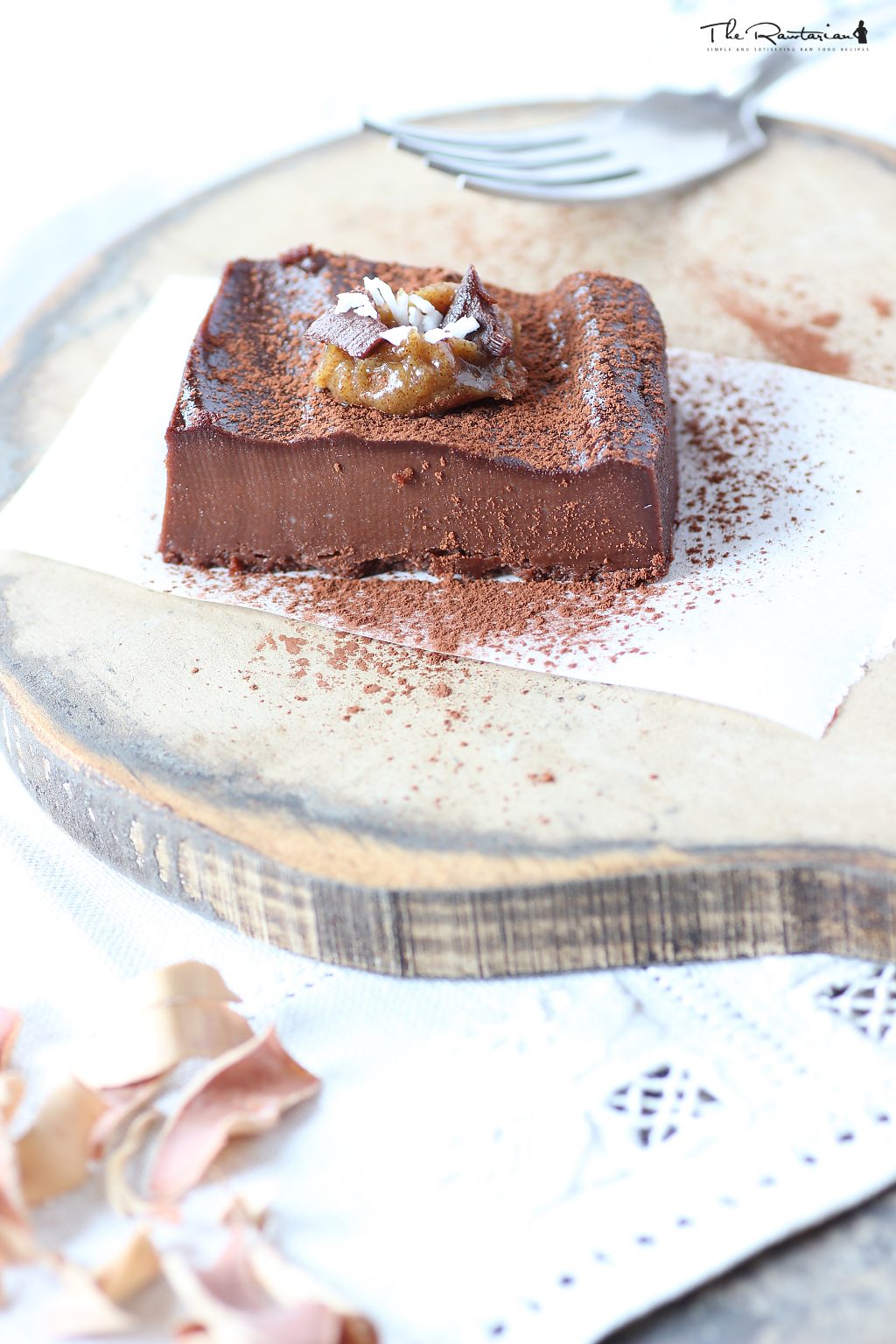
Raw Caramel Sauce

Oh yeah, now we're talking! A Raw Caramel Sauce to drizzle over your ice cream. Oh, so sweet and simple!

Dates and cashews are the main ingredients in this sauce.

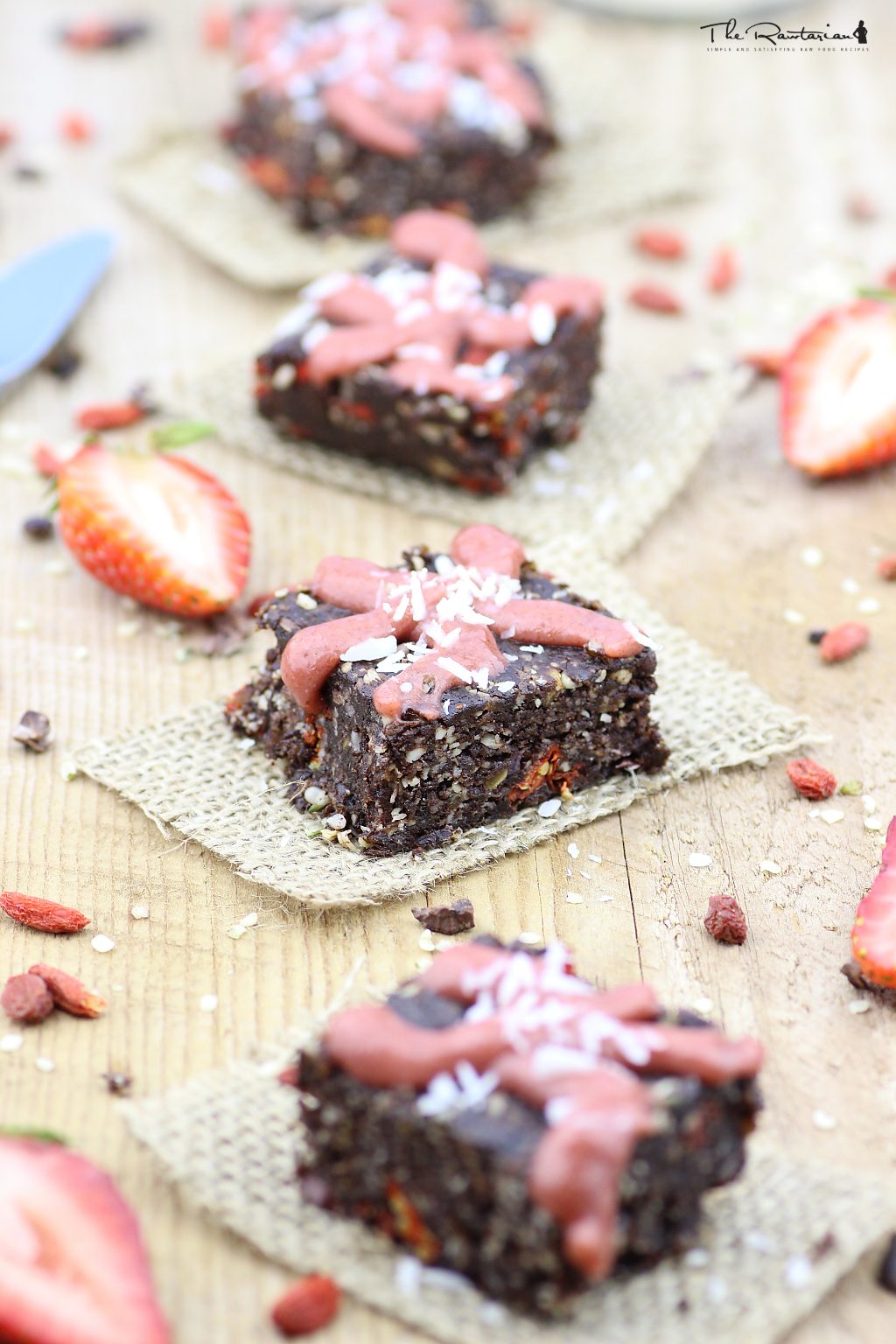
Raw Strawberry Sauce

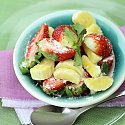
Fruit lovers, don't despair.  Here's a delightful Raw Strawberry Sauce that will bring a smile to your face! Drizzle this sauce on top of your ice cream and garnish with fresh sliced strawberries. Yum!

Chia seeds are used to thicken this sauce, but you can omit for a more syrup-y consistency.

And you might also try...

You can also top your ice cream with a variety of fresh/dried fruits & berries, as well as your favorite nuts & seeds. The combinations are endless: cherries & raw cacao nibs, pecans & raisins, walnuts & blueberries... you see where I'm going, right?

What are your fave vegan ice cream toppers? Please do share!


Easy raw salads

By The Rawtarian

Craving a raw, delicious salad? Here are three salads and a great ranch dressing that are super easy to make, which is important when you’re on the run or whipping them up at work. Don’t worry, you don’t have to chop up a huge pile of vegetables. Raw salads work best with just a few ingredients. This way, the simple flavours meld together for maximum flavor!

For extra zip, top your raw salads with raw ranch dressing. (recipe below)

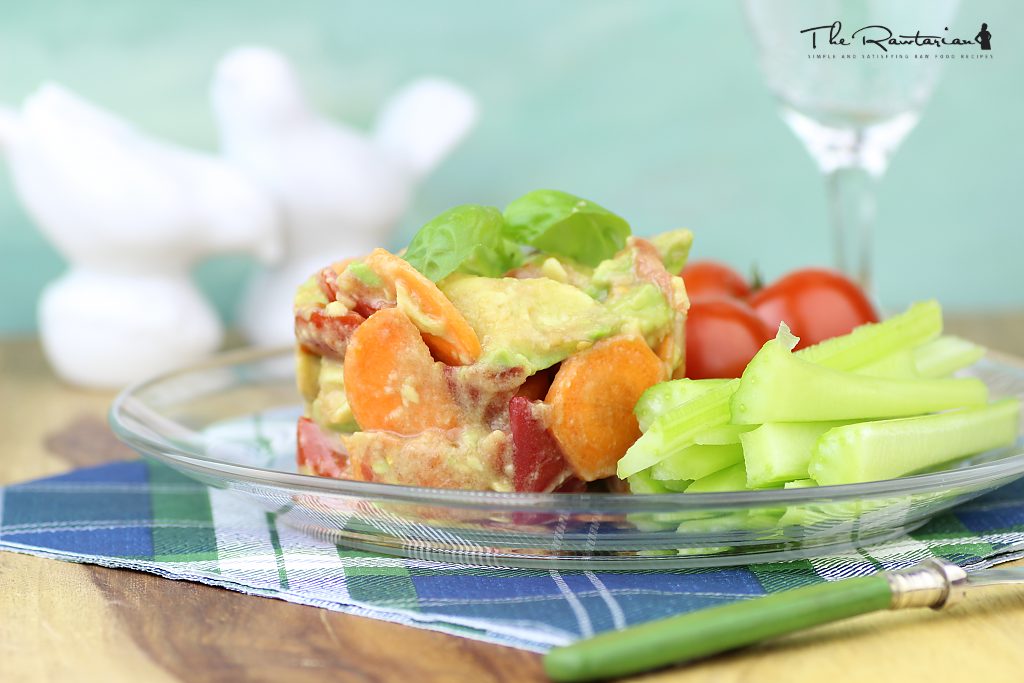
1. Avocado and tomato delight

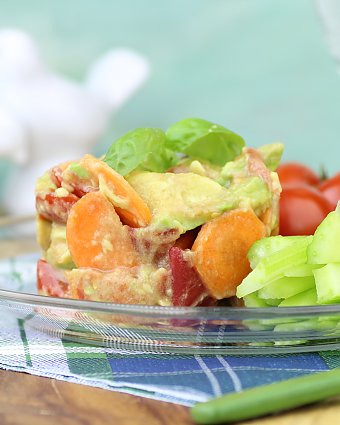
This is my favourite prepare-right-at-work salad. Avocadoes and carrots make for a creamy/crunchy contrast – no dressing required! For a quick lunch fix, give this easy, raw salad a try. I've taken this to work literally dozens of times when I am in a rush in the mornings! Just grab an avo, tomato and a carrot and you're DONE!

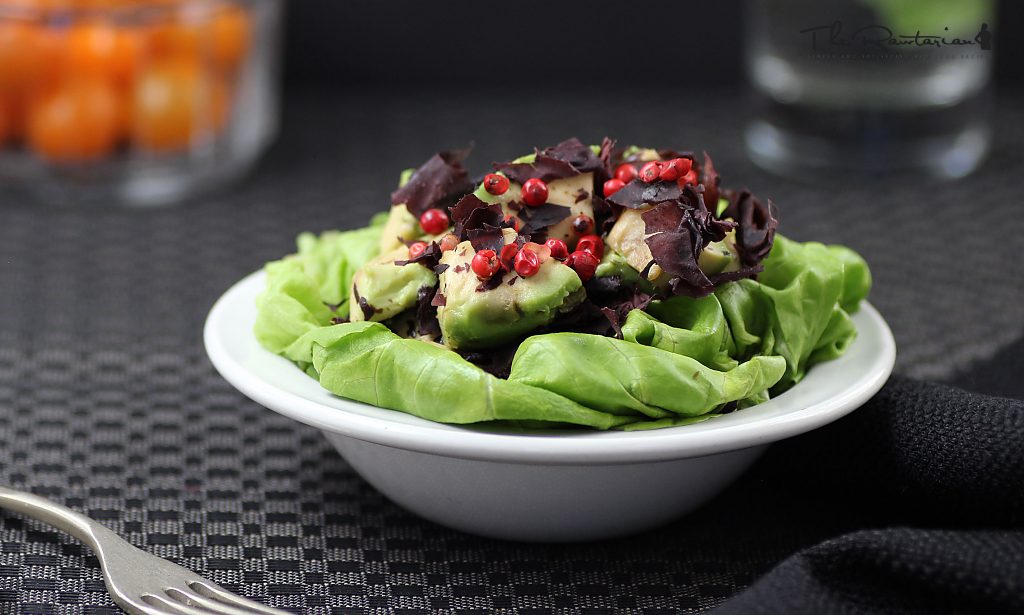
2. Raw avocado seaweed salad

Here is a tasty, but easy raw salad.  Give dulse seaweed a try if you haven’t already. Optional raisins up the sweetness factor.

3. Raw ranch salad dressing

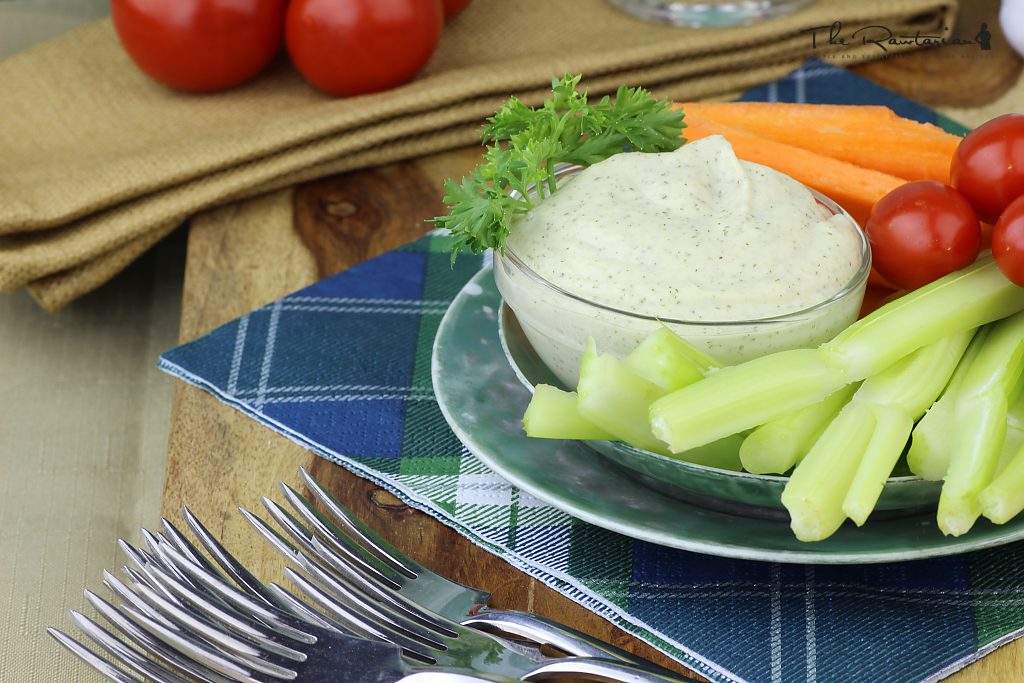
Raw ranch dressing tastes just like the ‘real deal!’ Satisfy your ranch craving with this easy cashew-based raw ranch dressing recipe. Toss all the ingredients in your blender… and blend. Done!  And yes, it actually tastes like Hidden Valley!

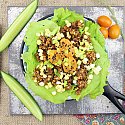
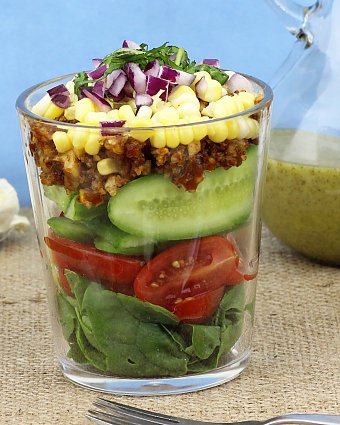
4. Raw taco salad

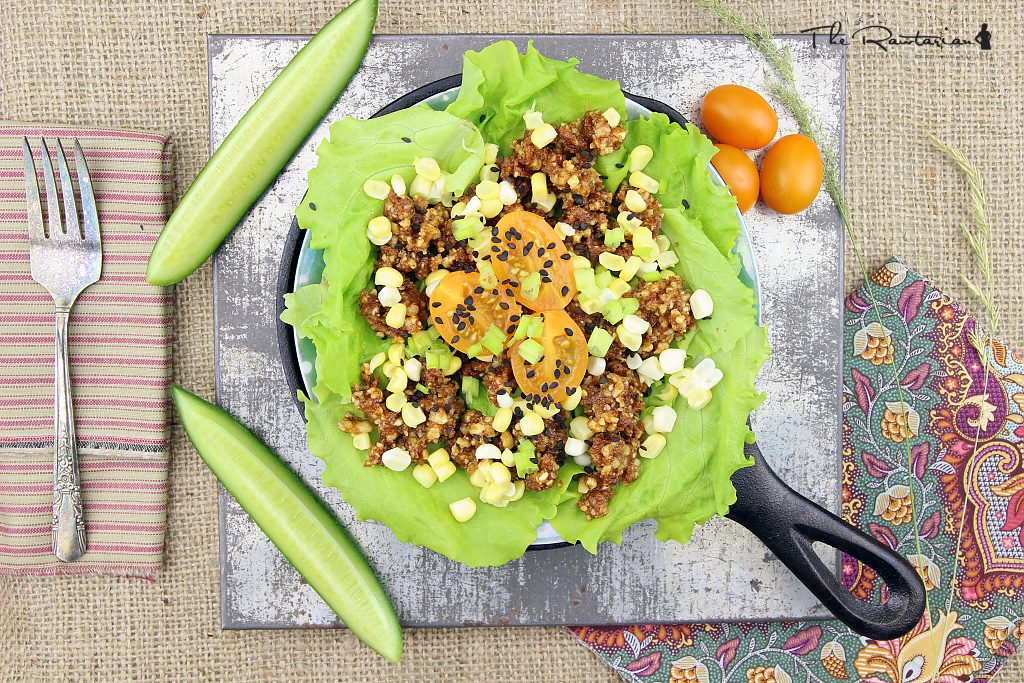
This raw taco salad recipe is one of my favorite raw salads of all time. The "taco filling" is super filling and hearty. This recipe will make you get excited about having a salad!

Which raw salad recipe will you try today?

Believe me, these raw salad recipes are fast and easy. Try one today and see for yourself! Salads don't have to be boring. They should explode on the tongue!

And remember. Simple = best. Too many flavours = a dull, brownish flavour that blends together into a blah of boring nothingness!

Dehydrator vs. Oven: What's the Difference?

By The Rawtarian

What's the difference between a dehydrator and an oven? Can you dehydrate in an oven? It's tempting to try to dehydrate in your oven, but will you get the same results?

The Rawtarian answers these burning questions for you in this red-hot post!

How hot is too hot?

First off, let's review a very basic definition of raw food. Raw food is preferably organic, vegan food that isn't cooked above 116°F (47°C).  This is to prevent valuable dietary enzymes from being killed off, as well as ensuring the food is fresh and retains all its nutrients.

Ovens are designed to cook HOT, while dehydrators most definitely are not! Even the 'keep warm' setting on an oven is 275°F(140°C). So you can see where this is going...

In this corner: the Dehydrator!

  • Doesn't kill enzymes.
  • 'Cooks' evenly with proper airflow and temperature.
  • Effectively pulls moisture out of the food for optimal drying.
  • Minimal supervision required.
  • Energy efficient.

In this corner: the Oven!

  • Even at a "keep warm" setting, temperature is too high.
  • Kills vital food enzymes.
  • Most ovens don't have an air-circulating fan.
  • Expensive to run.
  • Can't leave it unattended.

The Rawtarian says...

Would you try to barbeque with a microwave? Would you try to vaccuum your floors with your hair dryer? Probably not. One tool is not like the other! So when your dehydrator recipe doesn't turn out because you've used an oven, don't be shocked. So instead, why not forget about dehydrating until you get a dehydrator? Or, instead, if all you have is an oven, look for baking recipes instead, since that's what an oven does!

You can certainly try dehydrating in your oven... if you have a convection oven, and you're willing to keep checking that the temperature doesn't get too high (usually by leaving door ajar and continual monitoring). People have done it - I've heard the stories! 

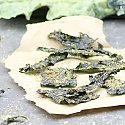
But if you want to ensure successful dehydrating, it's best to use a dehydrator. Because... well... that's what it's specifically made for! And you want those Raw Kale Chips to turn out crisp and perfect and yummy, don't you?

What I Eat in a Day

By The Rawtarian

People frequently ask me, "Laura-Jane, what does your average raw food day look like?"

My day is not this totally different, fancy raw recipes type of day - no, I tend to eat simply, and I return to my favorites over and over. Every day includes lots of veggies and fruits. And I pretty much start every day with a big 'ol green smoothie!

To start the day...

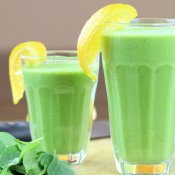
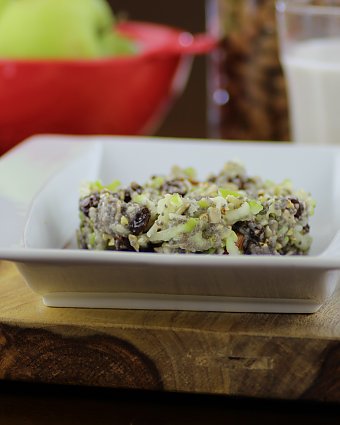
My go-to brekkie is a large  Silky Green Smoothie. Packed with goodies like bananas, oranges, apples and spinach, it's the perfect start to my busy days.

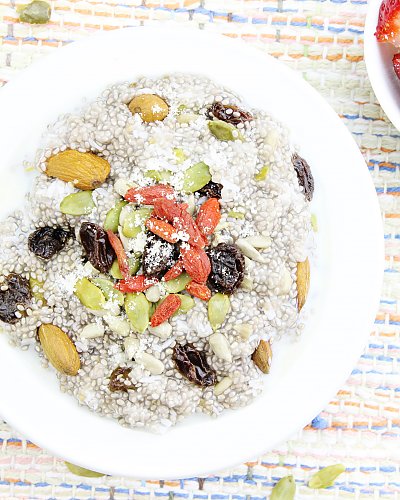
If I'm in the mood for something different, I go for the Raw Oatmeal, Raw Breakfast Bowl, or Raw Porridge. These recipes are not only delicious and filling, they are easy to make - important when you're running late!

The Rawtarian says:Never skip breakfast!

Make sure to fuel yourself up for the day with a hearty breakfast! It will set you up with lots of energy to tackle the rest of your day.

It's lunch time!

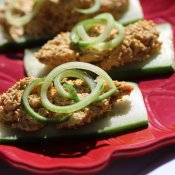
Lunch is often a salad topped with either Walnut Pate or Salmon Salad Pate. Sooo tasty!

And I love soups! A bowl of Celery Soup with raw crackers, or a bowl of Tomato Soup with a side of raw hummus = the perfect lunch! I'll also include a small side salad (super easy, like spinach with cherry tomatoes).

And for supper...

Mmm, what to have for supper? I like to have a hearty supper at the end of the day (complete with dessert of course!)

So many awesome raw recipes to choose from, but I usually go for my favorites:

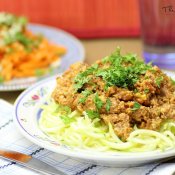
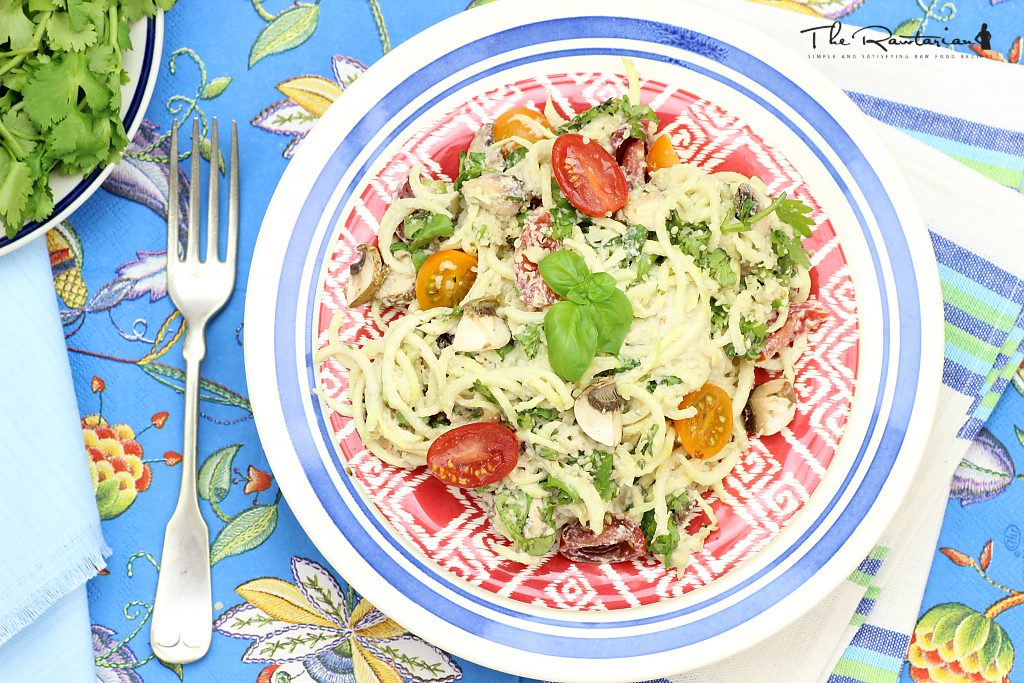
  • 5-Minute Spaghetti - Walnuts add the hearty texture to this simple yet dee-lish recipe!
  • Macaroni and Cheese with Zucchini Noodles - a meal everyone will love, even the kids!
  • Taco Salad - Walnut-based and oh, so good!
  • Raw Pizza - Almond-based crust topped with pesto, pineapple, green pepper, sun dried tomatoes, mushies = YUM!

Note: I usually make a small salad for supper, as well - loaded up with lots of my fave veggies.

Gotta have dessert!

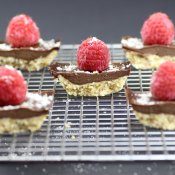
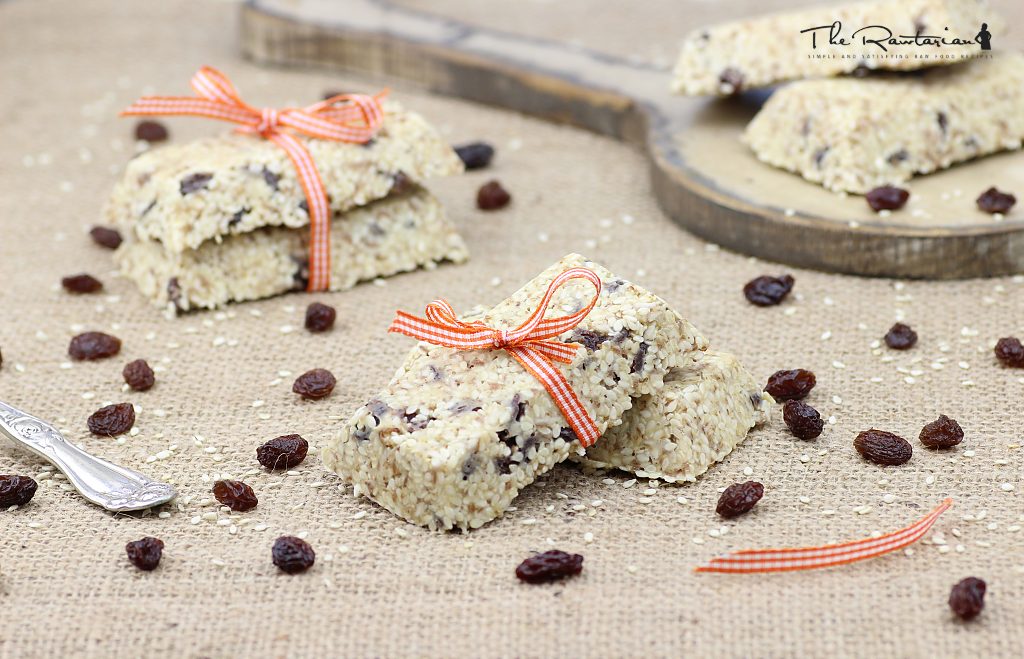
I love dessert: who doesn't? My dessert picks are Brownies, Chocolate Shortbread Bars, and Sesame Seed Bars. No, not all at once! Although the idea is tempting!

If I'm extra peckish, perhaps a piece of fruit to go-with. 

Don't forget the snacks!

I don't like feeling hungry. So I usually eat two snacks every day. First one mid-morning, the second in the afternoon (not long before supper!). Not letting yourself go hungry is key to success. When you are starving, you either make poor food choices, or you give up on going raw. Allowing yourself snacks helps you stay fuller and feel happier!

A typical snack for me is two apples, or one banana, or a handful of nuts. Perhaps a small slice of brownie, or maybe a handful of crackers straight from the freezer. Hmm, I think I want a snack right now!

The Rawtarian says:Keep healthy raw snacks like crackers or brownies in the freezer at all times!

There ya have it!

Now you have an idea of what my raw food intake looks like. Most days I stick to simple favorites. Other days I fancy things up for a special occasion. And I definitely have days where I'm craving something different. Depends on my mood, time of year, motivation... !

So, find your favorite recipes and enjoy them... a lot. Just as you used to eat your SAD favorites, so it is with eating raw. If knocking back a big green smoothie every morning (afternoon, evening), is your thing, then stick with it! You may eat more or less than me, and that's fine. Your body will tell you what's working for you - listen to it!

Raw desserts for Valentine's Day

By The Rawtarian

It’s the week of hearts as the love-fest gets closer. What mushy stuff am I talking about? Why, Valentine’s Day of course! And when you say Valentine’s, sweets are always the highlight on the table. Whether you spend this once-a-year occasion with your special someone or even on your own, wouldn’t it be nice to share some heart-warming raw sweetness with them? If you’re in search of dessert ideas to tug at some heartstrings, I have the perfect lineup for you.

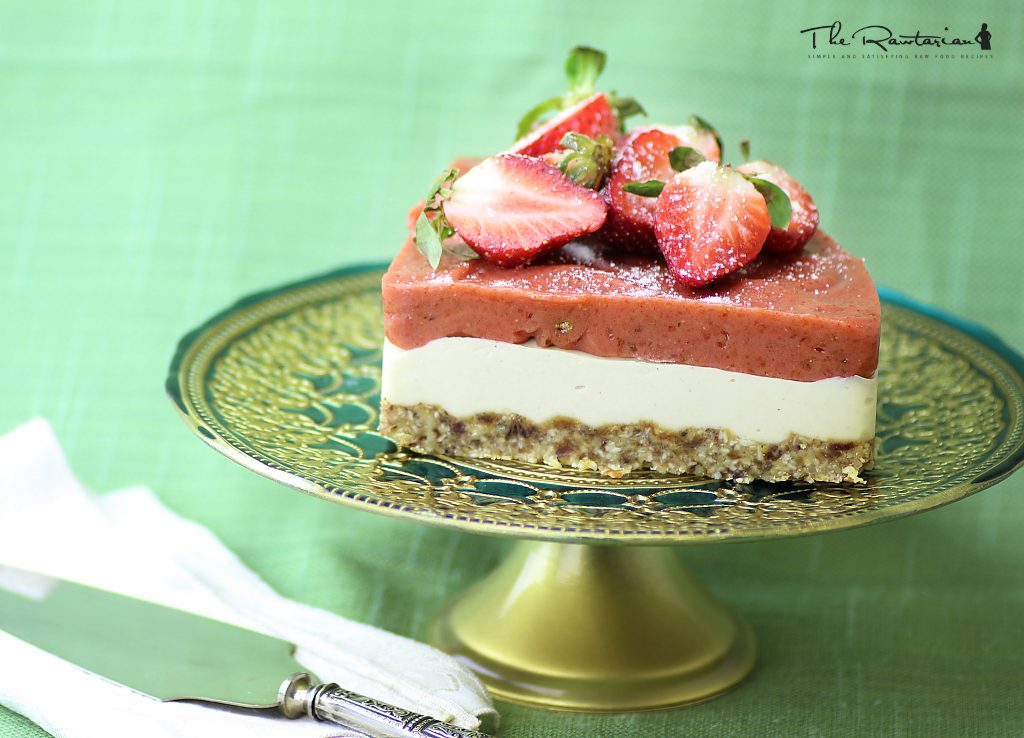
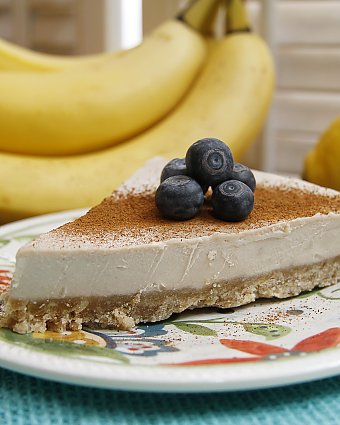
Raw vegan cheesecake

Since Valentine's day is a day when you have an excuse to be “cheesy,” why not try making my delectable raw cheesecake recipe. It may look fancy and a little complicated, but it’s truly quite simple and totally worth it. First, make the crust by processing the dates and macadamia nuts in a food processor. Sprinkle the bottom of a glass pan with dried coconut then press the crust mixture down into the pan. Next, blend all the cream-cheese filling ingredients in a high-speed blender, adding water only as little as possible, and pour the mixture on top of the crust. While the crust/cream-cheese mixture is firming up in the freezer for about an hour, blend the strawberries and dates until they reach a smooth consistency. Take out the cheesecake from the freezer and top it with the strawberry and date mixture before putting it back in for another 5 hours or so. Enjoy this delicious raw cheesecake recipe right out of the freezer or you can defrost it a little before eating.

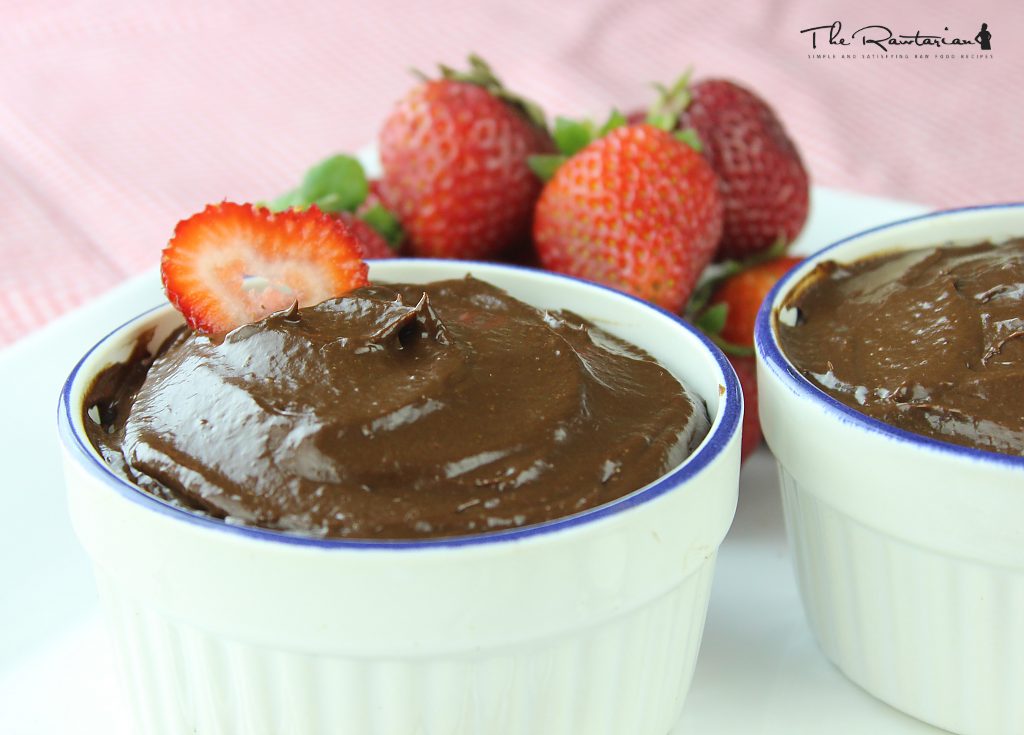
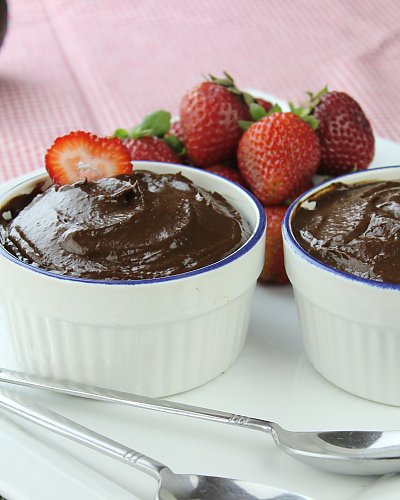
Raw vegan chocolate mousse

What’s a Valentine’s Day without chocolate? They’re the most romantic desserts for Valentine’s Day… or actually any day for that matter. This raw chocolate mousse recipe will not fail you since it is very easy and very quick to prepare. (I don’t think I can put more emphasis on the easy and quick part than that!) Just process all the ingredients together in your food processor until it’s really smooth and mousse-like, and then put into individual dishes to refrigerate for an hour or so. Next step? Eat it! Or you may pair it with your favorite red fruit like strawberries (they kind of like resemble the shape of a heart, which is fitting for the occasion!)

Raw vegan chocolate brownies

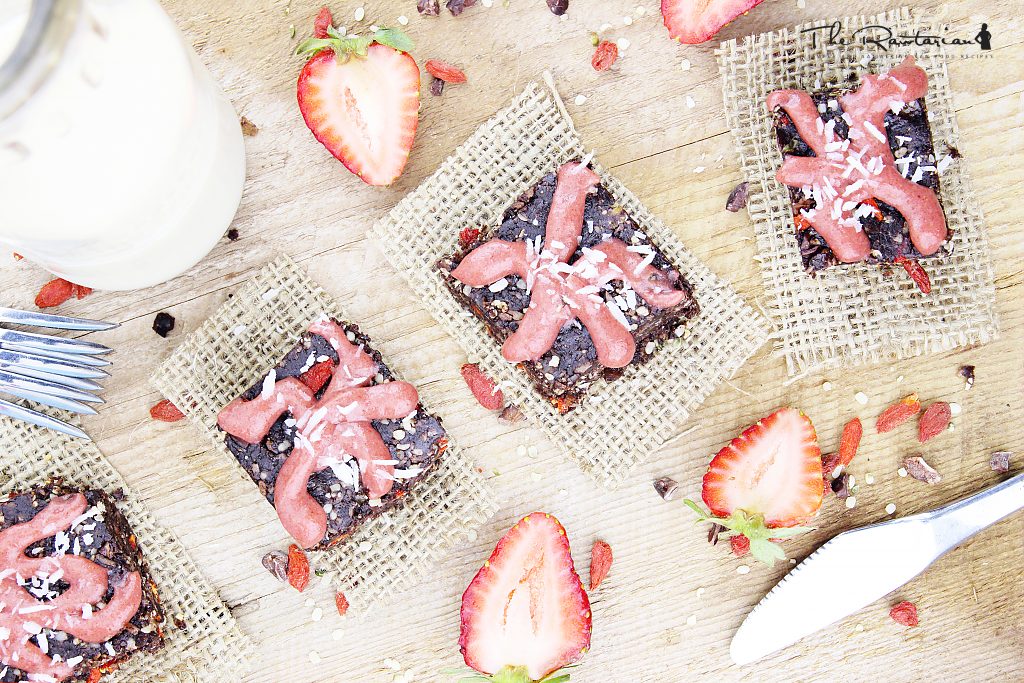
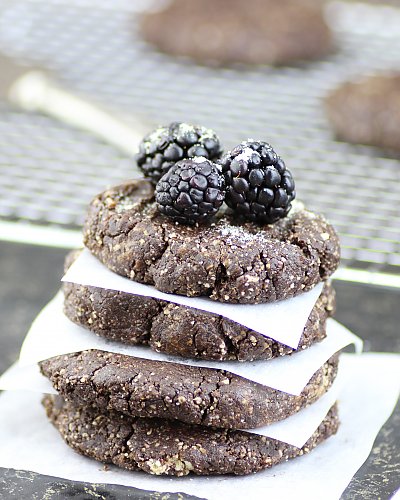
Oh boy, brownies! Most traditional desserts usually leave you feeling guilty after consuming a lot of them. And you may find it hard to resist eating lots of this raw brownie recipe this season. It might be so wrong but just so right since this recipe is full of good-for-you goodies. To make this recipe, start by processing the pecans into small and crumbly chunks in a food processor. Add the dates and process well until the mixture holds. Put in the rest of the ingredients with the mixture and process again until it becomes chocolatey brown, but don’t let the mixture get too thick. Press the brownie mixture firmly into a pan and let it chill for a couple of hours. You may add a little excitement by topping your raw brownies with raw chocolate icing and a little berry fruit. Don’t hesitate to be creative and make it more special, especially for Valentine's day!

Raw chocolate cheesecake hearts

Mmm, here's a sweet raw vegan recipe for Valentine's Day! Raw chocolate cheesecake hearts! Cashews, coconut oil and cocoa are the main ingredients in these tasty little morsels. This recipe is so easy: all you need is a blender. Mix it all up, then pour into your favorite heart-shaped molds and freeze. That's all there is to it! I use silicone molds - but feel free to experiment! Make sure to share these with your loved ones (don't eat 'em all up by yourself!).

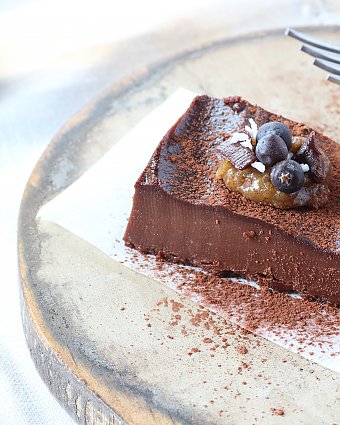
Raw vegan chocolate cherry fudge cake

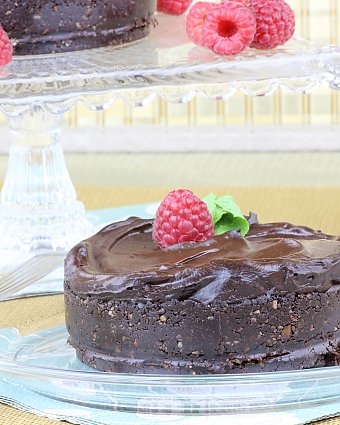
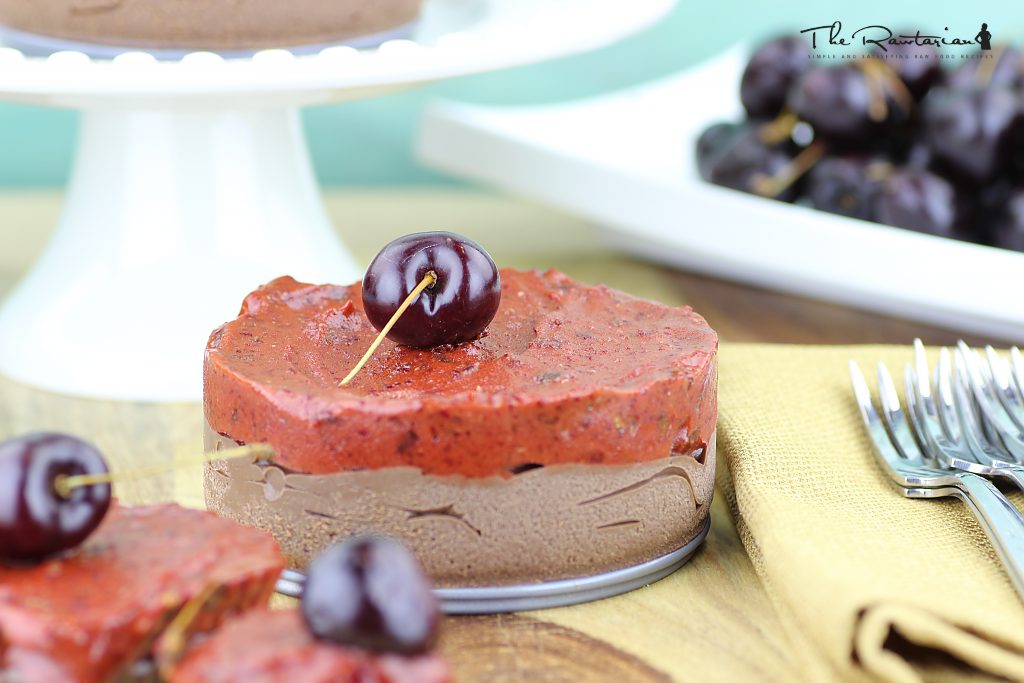
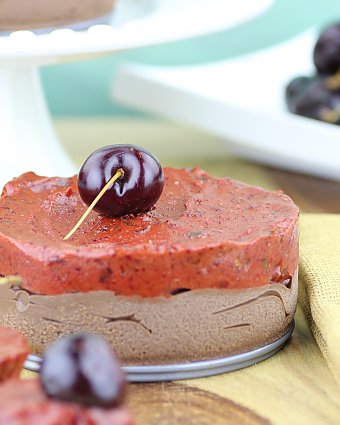
Another chocolate recipe, but, hey, it’s a happy food and this love month calls for a happy mood! Besides, you can’t deny that chocolate desserts are sexy. After all, raw chocolates are very rich in antioxidants and are also an aphrodisiac. To whip up your own “happy” chocolate cherry fudge cake, first blend the chocolate fudge base ingredients in a high speed blender, starting on low and gradually increasing the speed. Keep blending until it becomes smooth and creamy, then pour the mixture into pans/molds (heart-shaped ones, perhaps?) and place inside the freezer. While it’s firming up, make the cherry topping by blending cherries and dates until nice and smooth. And when the chocolate fudge is firm enough, spread the cherry topping on top and put it back in the freezer until it reaches your desired consistency.

Raw chocolates

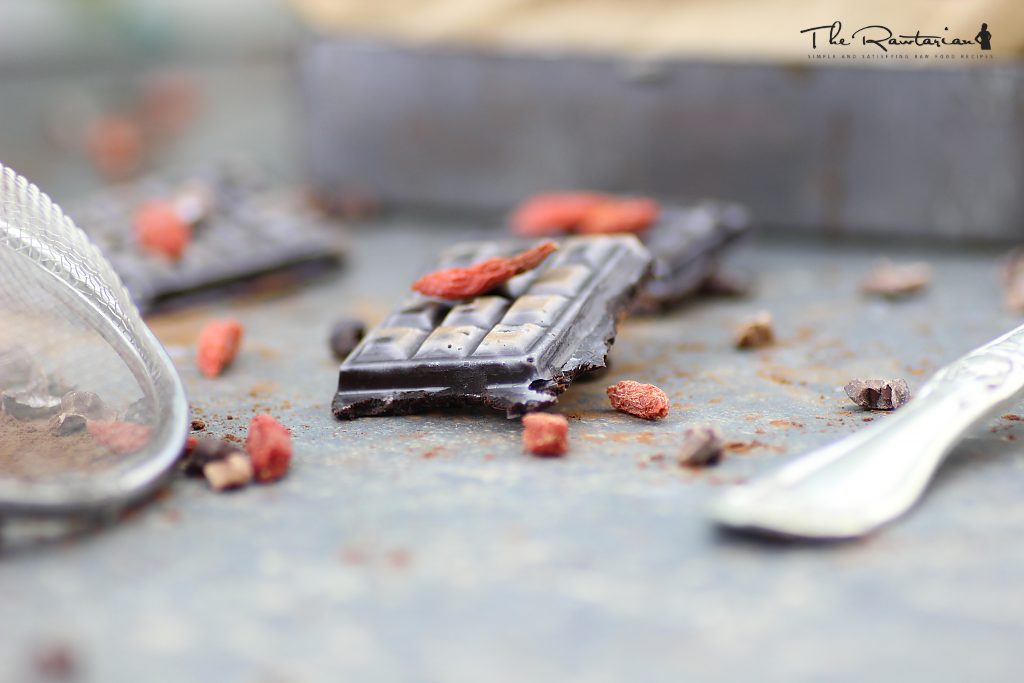
Perfect for your love, these raw chocolates are super easy to make and all you need is a blender and a freezer.

Your chocolates must be kept in the freezer all the time, otherwise they will melt :)

Happy Raw Valentine's Day

So there you are, my raw vegan recipes that are filled with love for your raw desserts for Valentine’s Day! Maybe you can even make your date more special by making the desserts together for a more romantic feel. Or if you're on your own, blast the music and get rawkin'! 

Tips on transitioning to a raw food diet

By The Rawtarian

Wanting to transition to a raw food diet? Either you’re a newbie trying to figure out the hows of effectively switching to an entirely different lifestyle, or a raw fooder who’s been falling off and on the wagon. But transitioning to raw food quite commonly poses as a challenge for many. You have to break those junk-eating habits and turn away from the cooked food life you’ve been used to.

I wouldn’t say there’s an absolute formula for the most effective lifestyle shift. But it takes a bit of time to learn and adapt to a new habit, and here are some of my useful tips on transitioning to raw food diet.

Start slow

There are some people (like me!) who just out of the blue turn a complete 180 and totally go raw overnight. While it may work for a few people, most find it hard to keep at it and eventually fall back to their comfort non-raw food. Others just give up and think it impossible to accomplish. (Or worse, put off starting all together!)

But you don't have to just suddenly abandon your non-raw food lifestyle when you decide to explore raw veganism. It’s actually helpful to start slow and help your body get accustomed to the changes by simply gradually adding more fruits and vegetables to your meals day by day. Keep a slow and steady pace and before you realize it, you’re tastebuds are searching for more greens, and your fridge is stocked with nothing but fresh raw produce.

Get a food processor and a blender

Living on a raw food lifestyle requires using only a few specific kitchen tools. Two of the most vital and very helpful equipment you will need when transitioning to raw foods are a food processor and a good blender. Believe me, these trusty devices will save you so much time and trouble, especially if you’re the type of person who’d rather not spend too much time in the kitchen.

But when you have good equipment, whipping up your own delicious raw dish can actually be just as speedy as dialing your favorite take-out number. If you get a food processor and a blender, all those chopping and grinding times will be reduced to just a few seconds. You can just dump the ingredients of your favorite quick and easy raw food recipes in them and be done in no time.

So if you think that your reasons for having a difficult time transitioning is because raw food is too bothersome and time consuming to prepare, then you probably need to consider investing in these two pieces of equipment. Check out my list of recommended raw food appliances here.

Start with a recipe that appeals to you

When it comes to food, we normally choose to eat recipes that are tasty and look very appetizing to us. It’s the same with raw food. It’s just that most of us have had this common preconceived idea we grew up with that healthy food is yucky but good for the body.

Well, you don’t have to force yourself to eat what you hate. If you don’t like spinach, don't eat it at all, or turn it into something very appetizing (like a delicious silky green smoothie, perhaps).

And if you find junk food tempting, just find a raw food recipe that really pulls you in. Find the flavor that your palate likes best. There’s a whole lot of variety you can choose from. Check out my big list of simple, satisfying raw food recipes here.

Start with a dessert

Most temptations start with desserts. And many people’s weaknesses include desserts, including mine. The best part of the raw vegan lifestyle is that there are tons of raw food dessert recipes – and they’re divine!

So if you have a sweet tooth, raw desserts are the perfect recipes you can start infusing into your daily diet. Most of them are very quick and simple, too. Even if you eat a bit of non-raw food during your meals in the first stages of your transition, you can at least start diving into raw food through desserts.

Keep going

Remember that you’re not alone in your journey. Find your closest support group or seek like minds through online communities for raw vegans that share your passion. (Don't have a community? You are welcome to join The Rawtarian's Kitchen.)

Even if you fall back once in a while, it always helps to simply charge forward again and continue to have fun living the raw food lifestyle. Today is the first day of the rest of your life!

Are you ready to transition?

Don’t you think these tips on transitioning to raw food diet are quite simple? Just keep the basics in mind: no need to rush it, make it simple, don’t force it, and have fun! Do you have any tips to share regarding your own transition to raw foods?

Food photography tips from The Rawtarian

Found in:
By The Rawtarian

You'd like to take better food photographs. Here are some of my best tips and insights to help you improve your own photography right now.

I've been doing food photography since 2009. My photographs have been featured in Vegan Life magazine, the Huffington Post and much more. I am self-taught.

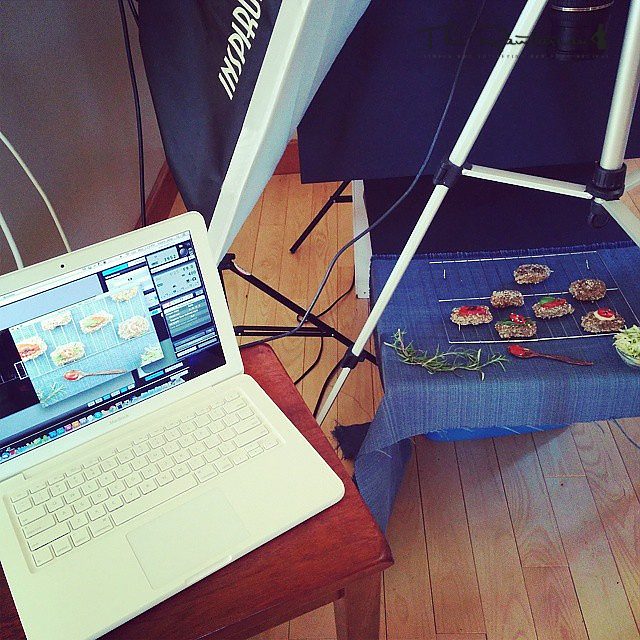
Food photography takes a long time to do. It takes hours to make the recipe, clean up the kitchen, try different food props, adjust lighting, shoot, and then edit and review. Generally, I allow 1/3 of the time for food prep/cleanup, 1/3 of time for styling, and 1/3 time for actual shooting. Then later comes post-production.

Styling and Set-Up

It's easiest to style your scene without the food in it and take pictures of that until you get the scene right. Sometimes you can substitute something inanimate in place of the food to help with focus etc.

Once you're satisfied with the shot, whip up your food in the kitchen, and then add the actual food to the set. This keeps the mess to the minimum and preserves the fresh look of your food. You'll still want to tweak a few things once you get the food on set, but you'll have gotten a lot of the styling choices dealt with already.

(Also, because the whole process can be tiring, consider whether you can prepare the food the day before, freeze or store it, then style the set empty, and THEN bring the food out afterwards. You don't want to be impatient and tired by the time it comes to shoot the actual photography!)

Camera Gear

You can only go so far without a good camera. Ideally, you will eventually have a digital camera that has removable lenses. These are called DSLR cameras. Removable lenses are important because then you can buy a lens that's specific for close-ups.

My DSLR camera is a Canon Rebel T3I. I use two different lenses. When taking close-ups of a certain part of the food I use this special macro lens for close-ups, which is what allows me to get that whole some-blurry-some-sharp effect that you see in so many food photographs.  When taking an overhead shot where I want everything to be in focus, I use this lens.

Lighting

Natural light is best. The best thing to do is have your table right up against a window with natural light coming in. For me, that doesn't seem to work because (A) my house windows are all facing the wrong side or have decks on them creating shade. (B) I am usually doing photography at night! And (C) I don't have the patience (or climate!) for outdoor photography. :)

Right now, I am not using natural light as my sole source. Instead I am using this lighting kit.

Photo Editing

I use Adobe Photoshop to edit my photos. I currently don't do a lot of color correcting or heavy digital modifications after the shot has been taken, but I look forward to doing more of this in the future. 

The Rawtarian's Photo Portfolio

I have about 200 recipes (100 free recipes, and another 100 recipes in the same format that are only viewable to TRK members) on this website, with unique photos of each recipe. A lot of the recipes have old, terrible photos still attached to them. I am working on improving them, one at a time. Photography, much like life, is a work-in-progress :) 

You can check out a portfolio of some of my more recent food photography here: The Rawtarian's Photography Portfolio.

Click to view photo portfolio

Extra Photography Tips:

  • Garnish. For example, it's easier for the camera to focus on the garnish rather than on a large blank bowl of soup.
  • Think small. Small dishes, small serving sizes, small forks, small plates are all much easier to work with and shoot. 
  • Set up a backdrop. Check out this 6-second video of my actual set-up. You can see that I'm using a green board as my backdrop.
  • Think darker. Whatever you are shooting, make the plate darker in color than the dish. (Example, chocolate cake on a black plate.)

How to get protein on a raw food diet

Found in:
By The Rawtarian

When people find out that you're a vegetarian or a vegan or raw vegan, the subject of protein is always a huge concern to friends and family.

I bet every raw vegan has been asked the question, "But where you get your protein from?" Maybe some of you know a lot  about how to get protein on the raw food diet already. And maybe there are those who have an idea, but just don’t know how to make other non-raw friends understand. Why is it such a big deal to have enough protein, anyway? What makes it so special? And what are the best and most common sources of protein for raw fooders? Lemme tell ya!

But before we get into the details, I want to start with a few soundbytes:

The Rawtarian says:

"Yes, you can get protein without eating animal products!"

"As long as you are eating a wide variety of legumes (ex. sprouted lentils), grains (ex. sprouted quinoa)  greens and veggies, nuts (almonds) and seeds (hemp seeds), with some mindfulness you can get enough plant-based protein."

"Horses and cows are strong - and they don't eat meat either. Ever wondered where they get their protein? Plants!"

It’s handy to arm yourself with a little useful information about the protein question so that you understand it and can answer the question with quick confidence. Don't go down the rabbit hole of stammering and ums! So in the future, when you come across the question on where you get your protein from, you’ll know exactly what to say. So here's a bit more detail for you detail-oriented folk!

Protein defined

Don’t be daunted by that headline. This is just a little bit of science and nothing too intense, I promise. Let’s just start from the beginning. And so the question: What is protein?

Proteins are basically one of the most vital building blocks of your body. They are the second most abundant substance in our bodies next to water, and they are very important nutrients made of a combination of amino acids.

Think of protein as the alphabet and amino acids as the letters in the alphabet. Just like letters forming a number of possible words, different combinations of various amino acids make up different kinds of proteins, which serve their own purposes.

Simply put, protein is a word used to call different combinations of many amino acids. There are amino acids that can only be gained from the food we eat (essential amino acids) and those that our bodies produce (non-essential amino acids). Complete protein just refers to a combination of all nine essential amino acids proportional to the needs of the body.

What does protein do? Why do you need it?

But before we go into the sources of proteins, let's first get to know what these proteins do in our bodies and what we need them for. Proteins actually provide structure to every single cell in our bodies. There are proteins that serve as enzymes, hormones, antibodies and more.

Some proteins are involved in transporting oxygen and other molecules, and some are involved in contracting our muscles. The list of tasks proteins are responsible for goes on. They're busy guys!

But the most notable functions of proteins are to build, maintain, and replace tissues in our bodies (e.g. nails, hair, skin, muscles, bones, red blood cells, etc.), as well as to keep our cells in good condition for them to be able to work properly.

How much protein do you need?

On average, an adult female vegan’s protein recommendation is around 46-58 grams per day. Whereas an adult male vegan’s is around 56-70 grams per day.

According to numerous studies and research, the amount of required daily protein intake varies depending on several factors like age, gender, body condition, lifestyle, etc. For instance, an inactive female adult’s protein needs may be much lower than that of an athlete’s or a bodybuilder’s.

Here are some common raw foods and their protein levels:

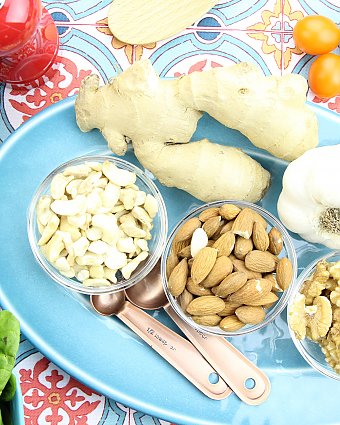
  • 1/4 cup almonds = 15 grams protein
  • 1/4 cup walnuts = 7.5 grams protein
  • 1/4 cup sunflower seeds = 7 grams protein
  • 1/4 cup cashews = 5 grams protein
  • 1/4 cup pecans = 2.5 grams protein
  • 1/4 cup medjool dates = 2 grams protein
  • 4 tablespoons of hempseed hearts = 15 grams protein
  • 3 tablespoons of chia seeds = 4 grams protein
  • 1 cup raw kale = 2 grams protein
  • 1 cup raw broccoli = 2 grams protein
  • 1 cup raw spinach = 1 gram protein (1 cup cooked spinach = 7.6 grams protein)
  • 1 cup alfalfa sprouts = 1 gram protein
  • 1 large avocado = 2 grams protein

Best plant-based raw food sources

Contrary to popular belief, animal products are not the only and more superior source of (complete) proteins.

It’s traditionally believed that proteins from animals are the best source of proteins are already complete. And this is because their bodies already exerted the effort to combine the amino acids from the many different plants they’ve consumed. However, true as it may be, that could also be just what it is – a traditional belief.

Green leafy vegetables, nuts and seeds are some of the richest sources of proteins in a plant-based raw food diet. There are various plant-based foods that are high in certain amino acids. But incomplete protein doesn’t mean it’s inferior compared to complete proteins. It just tells us that it’s important to get the right balance of these nutritional values in order to meet the required amount of amino acids our bodies need to make complete proteins.

There are also even studies that show a human body actually prefers incomplete protein or as individual amino acids. This is so that it can combine them in the best possible way to serve their many different purposes, because when our body takes in complete proteins, it has to break down and tear the amino acids apart to reassemble them in a way that our body needs them to be. In saying so, amino acids from plant-based food therefore allow the body to skip that process entirely and get right down to business.

Protein recap

And that’s basically what protein is about and how to get protein as a raw vegan By learning this tidbit of information, we get to understand the importance of knowing what a raw vegan lifestyle entails and how we can better improve our raw food diet. Not because we have to prove something but to share a better understanding and hopefully eliminate misconceptions.

If you'd like to find out more about the intersection of protein and raw food, check out my podcast about raw protein sources.

Pages