
Your First Raw Food Recipe

By The Rawtarian

In this video The Rawtarian gives you three suggestions for making your first raw food recipe.

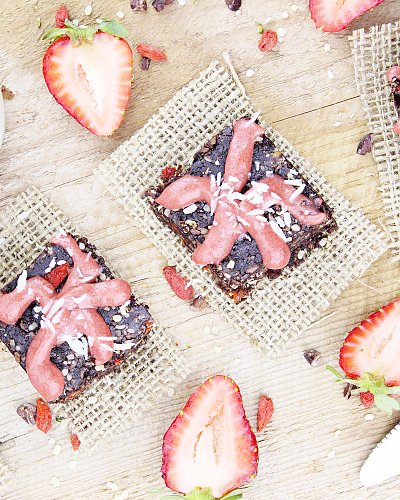
No equipment? Try these raw sesame seed bars... Just mix in a bowl, press into a pan and freeze!

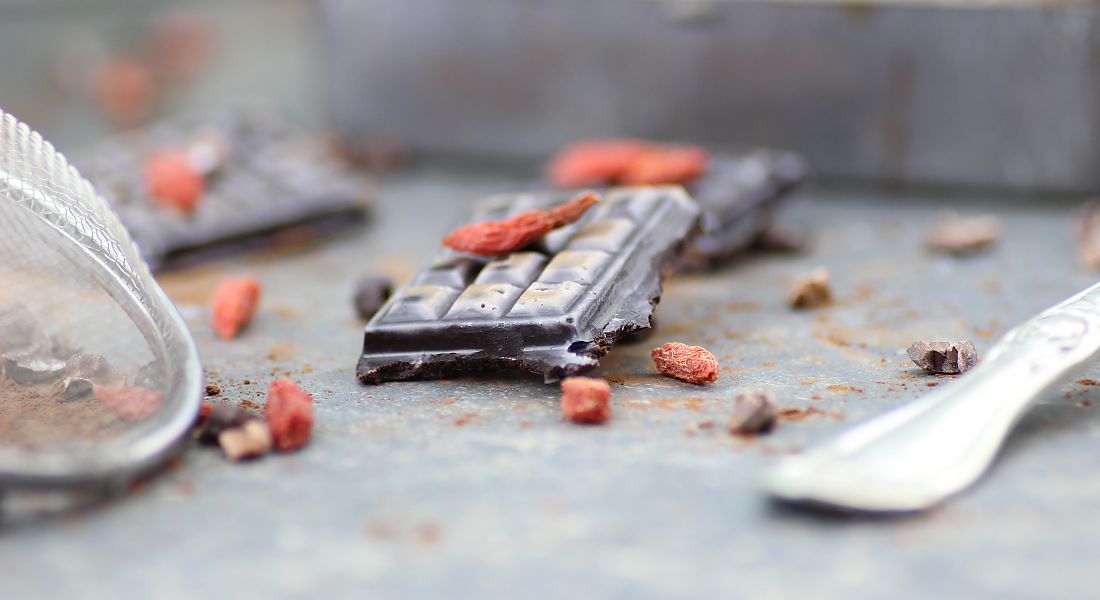
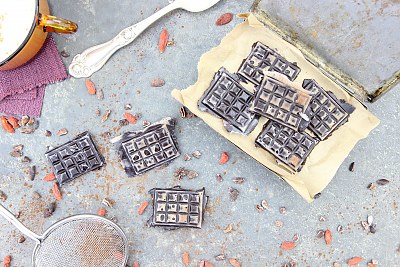
Got a food processor? Try these raw chocolate brownies!

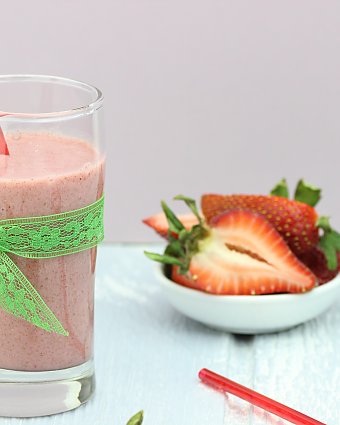
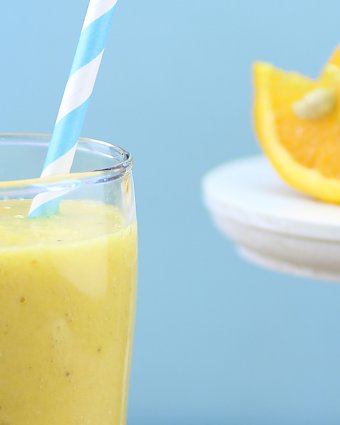
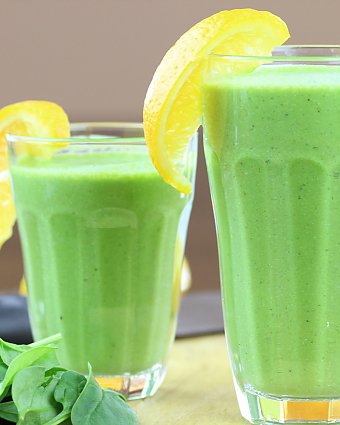
Got a blender? Try a raw green smoothie!

Video Transcript

Hi. I am Laura-Jane The Rawtarian from therawtarian.com and I just wanted to provide you with a really quick overview and introduction and welcome to the world of raw food, and I just wanted to start with a bang and let you know that you don’t have to do everything perfectly. You don’t have to get all the equipment. You don’t have to read every article there is to know.

But what you do need to do, what I encourage you to do today, if possible, is to make your first raw food recipe if you haven’t done so already.

I’m going to give 3 choices in this video depending on what kind of equipment that you have. As you may know already, a raw foodist who has been raw for a long time and has all the equipment will tend to have a blender, a food processor, and perhaps even a dehydrator which will makes things crispy, but I’m going to guess you don’t have all those things today and that’s okay.

First of all, if you have blender, I really encourage you to make a green smoothie, and what a green smoothie is it’s just a really nice fruity thick filling drink that is about 2/3 fruit and 1/3 or even less than 1/3 greens. So it looks green but it tastes extremely sweet. So if you do have a blender, I encourage you to make a green smoothie.

If you have a food processor, I encourage you to make one of my most popular recipes which is a brownie recipe which is very, very easy. Your food processor which is essentially a big container with a large blade in it similar to a blender, you’re going to place walnuts and some dates and some cacao powder and you’re going to make a chocolaty brownie and then you’re going to basically dump that mixture down into a pan and squish it and just put it in the fridge and it’s going to harden up to a really nice batch of brownies for you. So brownies if you love chocolaty things and you have a food processor, I would encourage you to make that first. So you can make your green smoothie or brownies so those are 2 great options if you have a blender or a food processor.

Now what happens if you have neither of those things? Well, I would encourage you to make one of my many dessert recipes that are raw and vegan but don’t require any equipment at all. And usually if we’re going to start with a dessert recipe, that might be something like I had a really nice sesame seed bar recipe which basically how that works is you have a nice, big bowl, and you’re going to throw in a bunch of ingredients and stir them together and then press that mixture down into a pan and put that in the freezer to solidify.

So those are some really nice introductory options to explore with raw food and again I just want to encourage you to not put it off because I get a lot of amazing emails and contact from all of you beautiful people and a lot—I know some of us tend to want to do things really perfectly the first time and so we delay our start because we want to do it right and we want to have all the good equipment and everything, but I think that if you could just—if you’re interested in raw food and you are watching this video, then I think if you could just select one of those recipes and try as soon as possible, even if it’s maybe today or maybe life is too busy today or you’re at work right now, and maybe you could try that this weekend.

So again, you could get all of those recipes for free at therawtarian.com. And remember I talked about brownies so just do a search for brownie. I talked about the green smoothie, and I also talked about sesame seed bars or have a variety of other recipes that don’t require any equipment as well. So I hope this video has been really helpful for you. Again, I’m just encouraging you to just start small and again you don’t have to go completely raw, but what you should do if you’re interested in raw food is try to make one raw recipe as soon as you can. So I’m Laura-Jane from therawtarian.com, where I specialize in simple, satisfying raw food recipes, and I really am looking forward to hearing all about how your first raw food recipe went. Thank you so much for joining me, and I’ll talk to you soon.

What I eat in a day

By The Rawtarian

In this video The Rawtarian shows you samples of what she eats in a day!

Video Transcript

Hi. I’m Laura-Jane, The Rawtarian, from therawtarian.com. This is just a quick little video to share with you a little bit about what I eat in a day as a raw vegan. So this is a bit of a random schmozzle of some foods that I would generally eat. 

I thought we would start over here with breakfast. Now what I—there are a few things that I tend to have for breakfast, but a common thing I would have would be a green smoothie which would be a variety of fruit and vegetables like kale blended up into a sweet drink. And generally, it tastes sweet even though there’s greens of it. If you have about 2/3 fruit to 1/3 greens so that is a typical breakfast.

Then in the midmorning, I would definitely have a snack. Usually, that would be some fruit. And I certainly eat quite a bit. So it might be like even 2 apples, and 2 oranges and 2 apples. So that might me a midmorning snack 

Now for lunch, I don’t know if you can see up close the salad, but what a beautiful, abundant salad it is. We have fresh blueberries. We have baby cherry tomatoes. We have a nice mesclun mix. We have chopped green onions, walnuts. And I usually would put on some sort of maybe cashew baseddressing like I have a fabulous raw ranch dressing recipe, or I might put some avocado on there and corn on the cob. I love—this is just a completely raw, unhusked corn on the cob, and I love to just chop off the corn kernels, yes, and put them on the salad too. So salad is something that generally I would have for lunch.

Then after lunch, I would have more fruit. And sometimes, I don’t have any out her today, but I would eat some nuts as a snack as well like some almonds or cashews or walnuts or that kind of thing. And people, it can expensive. But figure out what fruit and vegetables that you love and allow yourself to snack on them as much as you want.

For me, pineapple is something I don’t eat a huge amount of but blueberries, strawberries, that kind of thing, amazing. So snacking on fruit is fun and delicious. Can be expensive but especially if you eat in season, it can be not too bad.

And so I don’t have a nice evening meal out here today. And for me, I tend to have more than just a salad for the evening because I find salads too much get repetitive, even though I make really delicious salads. So as an entrée, I have tons of ideas at my website, therawtarian.com. I make zucchini like noodles out of raw zucchini with a spiralizer, and I can turn them into sort of spaghetti sauce with “raw” meatballs on it. 

I have so many fabulous things that I have for dinner. I just didn’t make anything to present to you right now. But for dinner, I usually have something more than a salad so it will incorporate raw fruits, vegetables, nuts, and grains, but I might have used the dehydrator to make a veggie burger patty or some crackers. That kind of thing. So I like to have my evening meal a little more substantial for sure, and it tends to be more nut based than some of the things that we see here today.

And then after dinner, I have always had a sweet tooth. I’m not sure why. It was never something we did as I was growing up as a kid. Dessert. But I always loved to have something sweet after dinner. So frequently, that could be more fruit but generally I keep some kind of fancy raw dessert in my arsenal because I am The Rawtarian, and I do love to create raw vegan desserts.

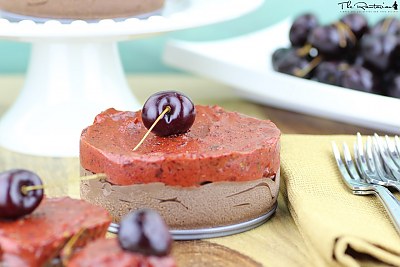
So this is sort of a cheesecake, not sort of a cheesecake, it is a cheesecake. So we have a walnut based crust and then cashew cream and then a fruit cheesecake layer. So I probably would have one of those for dessert and I would enjoy it and I would just gobble it up and it would be awesome.

So this, except dinner, is sort of a typical day. And dinner or supper or the evening meal, whatever your linguistic choice is. So I am Laura-Jane from therawtarian.com, where I create simple, satisfying raw food recipes. I’d love for you to join me there and I’m really appreciative of you watching this video right now so thank you so much for being with me here today.

RFP47: Quick and Easy Lunch Hacks

By The Rawtarian

To listen to the podcast click on the photo/play button above or save the MP3 to your own computer.

In this episode, Laura-Jane The Rawtarian shares tips and tricks for setting up your life to make sure you pack yourself an easy, healthy lunch option for work or school - every day.

Topics include: planning the evening before for psychological super powers, the effectiveness of repetition, ideas for lunch in an office setting, lunch ideas for school or on-the-road.

Here's a summary of the psychological study mentioned in this episode about it being psychologically easier to choose healthy foods when planning in advance. In short, participants were asked to choose a snack to eat now (they chose the cookie, of course) and to choose their snack for later (most chose an apple as their snack for later).

"When the participants were asked to plan their future snack in advance [...] they chose an apple over a cookie. 35% of the participants chose an apple on Day 1, but 65% of the participants did so for Day 2."
-- From "Mining Behavioural Economics to Design Persuasive Technology for Healthy Choices"
Study by Lee, Kiesler and Forlizzi
Carnegie Mellon University

Other recipes mentioned in this episode include:

Download Podcast

Click the button below to download the mp3 podcast file.

Download Podcast

Podcast Transcript

Welcome to episode number forty-seven of The Raw Food Podcast. I am your host Laura-Jane the Rawtarian, and in today’s episode we are talking about quick and easy lunches. Particularly for those of you who are on the go, trying to get kids out the door or getting yourself out the door. So the bulk of this episode is actually be talking about trying to get it together, to propel yourself to prepare a healthy quick and easy lunch. We know that actually taking the time to do that is one of the biggest challenges and that’s what I’ll be talking about most. So stay tune and we’re going to talk all about it shortly.

Thank you so much for joining me for another episode of the Raw Food podcast. Of course, today we are talking about quick and easy lunches! And to give you an overview of what I'm planning on talking about, I am going to give you ideas for what to bring, particularly for lunch at work, or if you have access to a lunch room at your office. So that's the subject of this episode!

However what I’m really going to be focusing on is all those environmental things that are going to help you actually get your quick and easy healthy lunch in the morning. I have confidence in you and know you have your own good ideas for a great lunch, so it’s just a matter of getting it together!

Some examples of what we’re going to talk about will be mental preparation, especially planning the night before, repetition and how you can maybe bring the same lunch a few days in a row, then we will talk about making lunches in an office lunch room and on the go lunches for the hungry traveler.

Ultimately I just really want to stress, and this is not only for your healthy lunch but every meal of the day, if you can be mentally prepared and know what you are going to eat for the following meal that will help you out so much. A “mind hack” if you would, because one of my passions is sharing information with you not just about recipes, but about life surrounding food as well.

As an example, I want to share an interesting psychology study that I recently looked into about apples versus cookies. In a 2011 study done at Carnegie Mellon University, a group of researchers brought a bunch of people into a room and posed them this question: “We’re going to be here a couple of days, so we want you to decide upon a snack for tomorrow. Do you want an apple or a cookie for tomorrow’s snack?” This was of course what the study was about, but the participants didn’t know that.

What they discovered was the majority of participants said they wanted an apple for a snack tomorrow, because they were preparing for something they would eat tomorrow as opposed to an impulse decision whether or not to have the apple or cookie in that moment. The idea is that it’s so much easier for us to make healthy decisions when the choice was made a long time ago, even as short as a day!

The idea is if we can mentally decide what we’ll be eating tomorrow, whether it’s packing your own lunch or going to your favorite grocery store and buying a delicious salad with red onions and mandarin oranges, the act of making that decision ahead of time will make it easier for you to commit to it. The act of preparing ahead of time helps in making healthier decisions for yourself. Not to mention preparing your lunch the night before means more time in the morning to get ready for the day, without worrying about what you’ll be eating a few hours later.

Often it’s hard in the moment to go have something healthy compared to fast food. If you’re with your co-workers and someone says “Hey let’s get pizza for lunch” and you already planned your meal, it’s easy to say “No thanks, I got this delicious healthy meal.” If you don’t have that set-up ahead of time, you’re more like to go “Oh well, I didn’t make any plans anyway, so sure let’s get pizza!

Not that there’s anything wrong with pizza, but my point is that these everyday routines, the grooves you get into, will help make a difference in your eating habits. Ideally this groove involves making lunch the night before, but the most important part is constantly preparing for what you will eat. It also helps you avoid snacks that will ruin your appetite, because you got a delicious raw vegan lasagna already in your head. This preparation is the key to healthy eating.

So that’s the first thing I wanted to talk about. Now the second thing, which is the idea of repetition, it kind of goes hand in hand with the first subject of planning.

We don’t want to be obsessing about food all day and planning our meals and spending too much of our time. Life is short, days are short and there’s so many fun exciting things we could be doing instead! So consider that it might be okay to repeat the same couple lunches over the week to cut down the stress, especially if you’re packing for yourself and not your kids (who may be fussier about eating the same thing every day.) It’s about allowing yourself to have the same meal a few times in the week to make life simpler.

At the last office job I had my go to meal was a simple avocado-tomato-carrot salad, which I would eat all the time because of how easy it was to make. I worked near a grocery store on my way to work, so I would drop in, get what I need and make it in my lunch room. If that sounds good to you, the recipe is on my site at therawtarian.com if you search “salad for lunch” or “lunch salad.”

I mention repetition because the more you repeat and the more you get used to it, the less the poor gray cells in your head get used up making all these different choices. Our brains on average make 35,000 decisions a day and so giving them a break and putting them on auto-pilot is helpful. It becomes innate and natural, making the process in your mind simpler. Even a simple green salad can be perfect, if you want to put just a couple handfuls of spinach, some chopped carrots and snap peas into a Ziploc bag and then have your dressing in a Tupperware container.

If you want to hear more about this then I suggest giving a listen to episode thirty-two, “Decision Free Living”, which is all about the importance of mental processing. Creating a few go-to recipes and using them over and over will cut back on time and produce less headaches about lunch.

So I’m going to give you some ideas, but it’s ultimately up to you to decide what’s quick, easy and healthy for you. After all, your idea may be a salad with sauerkraut, chopped cabbage and pine nuts, with homemade pesto and I would never think of that in my own routine!

With those key points said and done, I’m going to first focus on the lunch room crowd and then go into lunch ideas for those of you always on the go – not just to work, but even to school or university.

Now I was a bit of a slacker and never really got organized before when making my lunch salad, so I had an easy back-up plan for those days. I would just pop into the store on my way to work, buy a big tomato and avocado, have a fresh carrot from home with me, and then just carry that all to work. Of course I’d also bring along a snack that’s easy to carry and doesn’t require much effort to pack, like a couple oranges or bananas. I’d prepare it all in the lunch room and that worked fine for me – it doesn’t sound very sexy, but it is convenient.

Additionally keeping snacks at the office is essential too. I would normally keep a bag of apples or oranges in the lunch room fridge, while keeping almonds or Lärabars at my desk and so it made it easy not to worry about getting hungry because there was something already to snack on. Just that small planning can make your hectic mornings so much easier to get through!

If I had more time then ideally I’d make the salad at home and bring it in a big Tupperware. I’d throw in the dry-ish things, like chopped celery, chopped carrots, spinach, etcetera, and keep my dressing on the side in a separate container. Any other topping should definitely be on the side because no one likes a soggy salad, but you still want something exciting on all that green.

Another thing that worked very well for me was access to raw vegan crackers, mostly because they’re so portable. I don’t tend to eat them a lot, but I normally just keep them in the freezer and use a food processor to dehydrate the nuts and veggies. The higher fat content means they freeze beautifully and you can practically eat it right there and then, making them super handy! You can even use an avocado as spread for the cracker, making them even tastier for a quick snack.

For more ideas I highly recommend checking out my easy entrée recipes at therawtarian.com, just by going under the Recipes section. There are simple ideas, like a five minute spaghetti dish, and more advanced ones that require using a food processer – all these things can make a great lunch room experience.

The practical gist is you want to make a quick and easy healthy meal that doesn’t require a lot of time to prepare, but also still fills you up. Nobody can really exist and perform well when they’re hungry, so making sure your green salad has some substance and nutrition to it is in equal parts important. We want to make healthy decisions, while not getting abnormally hungry at the same time.

Now one thing that could be a good idea, but that you need to consider if viable for you, are smoothies in the lunch room. For starters you need to make sure you have access to a blender during the lunch hour, but also keep in mind that you may have co-workers who won’t appreciate the loud noise while they’re eating their own meals. Leftover smoothies from the morning rush could work, but personally I always found that they don’t taste as good when they aren’t fresh.

However that is a nice segue to talking about those of you who are on the go, or on the road, and don’t have access to that lunch room.

When it comes to smoothies in that scenario, I definitely consider it a great option. The important thing is to keep is as fresh as possible if you don’t plan on having it until later in the day. Maybe a couple hours after you make it will be fine, but if you’re working some crazy 16 hour day then that smoothie will get funky fast in your car. This similarly applies to those in university, who might make double what you normally drink in the morning.

I have heard of Tupperware drink containers that have a small ball in the middle, which would help you to shake and stir the smoothie if it separates or settles. I’ve never used one myself, but I’d love to hear if anyone has positive experiences with those. There are also small blenders that have screw top containers, like the NurtiBullet or Ninja, so those are good for anyone on the go as well.

Again I’ve never been in those situations so I haven’t explored it much, but these are just general common sense tips that could make healthy eating a lot easier. Having a Ziploc bag of nuts, or even an apple or banana, is also a smart idea because of the simplicity involved. I wouldn’t recommend oranges however, just because they could get messy and juicy with the peeling. Not very ideal if you’re driving around for sure. Raw soups can be great too if you put them into a container.

So I think that’s all I really wanted to say. I know I haven’t really gone over the quick and easy lunches too much for the road, but I’m confident that you know both what you like and what works for your routine. There are so many recipes you can adapt to your lunch needs easily, so it’s a matter of thinking about what works best for you.

Ultimately I think the most important part is to get into the routine and ritual of actually packing your meal the night before, or mentally preparing yourself for your next meal ahead of time. Once you create that routine, you’ll find it’s very easy to stick to and change up to whatever you feel you may need.

Before I go let me leave you with a few extra tips here. Keeping healthy food available and close by is key, especially with snacks. Again, just a few bars at your desk or some fruits in the lunch room fridge will do wonders for your lunch time. Try to see if you have a grocery store you can stop by during lunch or the night before and just plan what you would like to have tomorrow.

With getting into my own routines and preparation, one of my goals for this year was to be more organized and I found some great help for that online with the FlyLady. She has all these house-cleaning tips and one of the things I really liked, that I think lends itself to all areas of your life, was the suggestion of a morning and bed time routine. Even if you need to write it down, committing your memory to that will help you maintain a flow you can just keep going with.

This doesn’t have to just involve writing down what you plan to eat, but even if you have things you know you have to do before you go to bed or leave in the morning. I definitely encourage you to give it a try with the lunches – write down whatever you need to make your quick and easy lunch, make sure you get those things and you’ll find these routines will be incredibly helpful to regular healthy lunches.

So I am Laura-Jane The Rawtarian, thank you so much for being here with me. I am always interested to hear what you would like to have me talk about on the podcast. I hope to have some more interviews as well coming up this year on the podcast with some of your favorite raw-foodies, so watch out for that. And, as always, thank you so much for being here with me and I will talk to you soon.

RFP45: Psychology of Eating

By The Rawtarian

To listen to the podcast click on the photo/play button above or save the MP3 to your own computer.

In this episode, Laura-Jane The Rawtarian shares scientific tips about how to use psychology to your advantage when it comes to healthy snacking!

Most anecdotes and psychological studies mentioned in this episode come from the book "Mindless Eating" by Brian Wansink, PhD

Download Podcast

Click the button below to download the mp3 podcast file.

Download Podcast

Podcast Transcript

Welcome to episode number 45 of The Raw Food Podcast. I’m your host Laura-Jane the Rawtarian and on today’s episode we are going to be talking all about the psychology of eating and some really practical useful tips that you can take back home into your life and really implement to help you make better food choices. Did you know that we make over 200 choices every single day about what to eat, when to eat, how much to eat, all this good stuff. So we are going to talk particularly a lot about snacking and why we snack and how to make some better snacking choices and at the end we are going to really dig into some interesting psychological facts about plate size and even the color of your plate and how that impacts what you are putting on it. So stay tuned and I will be back with you shortly.

Today we are talking about the psychology of eating it is something that we probably don’t spend a lot of time thinking about but the psychology of what to eat, when to eat, how much to eat, is something that we are all actively practicing everyday whether we want to acknowledge it or not. The reason that I wanted to talk about this topic today actually came out of a conversation that just happened with my husband.

We were talking about a guest that we had over and we had all been sitting around the table chatting just like you do when you have family or friends over. There was a whole bunch of food on the table kind of reminiscing from dinner and one of them was just a bowl of baby carrots. My husband is not a fan of carrots. I don’t know why, I don’t know what is wrong. He is a really great eater but just carrots in particular he always says they taste like soap! He doesn’t really like them. What he was telling me the other day was that he said, “Do you remember when we had that person over for dinner? There was a bowl of carrots on the table, and I just kept snacking on the baby carrots in conversation. Normally I don’t like carrots, and that was weird.” He was saying how he ate all the carrots that were just kind of sitting there in the bowl but he doesn’t even like carrots.

He thought that was interesting, and that of course piqued my interest: that was odd, why did you eat all the carrots? But just in terms of, snacking and why we do these funny things, like eat a bowl of something that we don’t even particularly like. So anyway this all kind of got me talking and thinking about the psychology of eating. You may have heard me talking in the past episode about mindless eating and decision making or decision free life style actually where I talked about how there is every day we are making about 35,000 decisions from, should I hit the snooze, how much longer can I sleep, to what should I eat, what should I wear, what should I do today, all these decisions every day and about maybe 200 decisions that we make every day really to food. So we are actually making a lot of decisions. Sometimes unconsciously, you might be doing your work and thinking, “Do I need a snack or should I pull open that drawer and get something else?” So it is actually something that we are thinking about a lot of times.

So the main focus of this episode today is where I am going to talk a little bit about snacking as some of the psychology behind snacking and then I am also going to just brighten it up a little bit and share some of the tit bit’s that I learned from reading this really great book called “Mindless Eating” by Dr. Brian Wansink. He is a researcher at Cornell University and he really digs into all of these issues in terms of why we eat, what we eat and how to make some environmental changes in life and daily habit’s to help us eat the kinds of things that we want to eat. I might as well jump in and talk a little bit about snacking and some other tips that I learned from doing some research in anticipation of recording this for you.

One of the really key things that I learned about in terms of psychology in eating and snacking is the kind of concept about, our brain really wants to achieve goals. Usually our brain, it is kind of wired to say okay, “I am starting this project. My goal is to finish this project.” Usually that is very helpful when you are getting up the kitchen or mowing the lawn. Your brain is kind of wired to want to finish something and that is normally a good thing but when we think about snacking and eating, our brain is still in that goal oriented mode and is kind of like, “We have opened this tube of Pringles and my goal is to finish eating the entire package” and of course that is not a conscious goal but our brain, when it starts something it really likes to go all the way and it seeks that completion of the project. So eating the whole tube of Pringles as the goal, so not only are we sort of battling the fact that it tastes good and we like snacking and all those things, but also when it comes to packaging and finishing a portion that is in front of us, we are actually having to also battle this goal oriented nature that our brain is used to doing.

One of the key things we can do with that is to not necessarily bring out a whole package of whatever the things, like not even talking about the raw world, I don’t have to talk about Pringles, you know those big tubs of Medjool Dates, probably not a good idea to bring the tub with you at your desk because subconsciously, unconsciously you are going to, your brain is just going to go on auto pilot and feel like it should finish the whole container and that is probably not a good idea for anyone. Even though dates are delicious but they are actually very filling too. So really the idea here of course, so instead of bringing in the whole tub you might want to think okay maybe I will put six dates in a little bowl and bring that to my desk and then your brain is still going to think, “I should finish this goal” which is to eat your six or finish your plate kind of thing, finish all the six date. So that is a really key psychological thing that you can put into practice. So avoid taking the whole container with you and try to put something in a little bowl and of course that kind of makes you more aware too because you are going to, “Oops, I hit the bottom of the bowl and run out and think. Do I want more?” If you do then go for it and get some more but I think the idea here is to put some boundaries on your eating when you think that they are wanted. So I like that idea in terms of the packaging and I think I have certainly heard that before but I haven’t thought about it through the lens of the psychology, what I sort of just explained there. So that was one thing.

Another really interesting thing that I wanted to look into as well is, you will probably like this especially if you work on the computer a lot like I do. I find when I have something challenging, it really helps me to have some sort of bite sized snack, somehow it helps me focus or I don’t know what it is, I mean a habit of having a snack at my computer. So I did a little bit of research into the, “Why do you want to have a snack?” By snack I kind of mean some little bite sized thing to help you concentrate. So there definitely is some research behind this in terms of having little bite size snacks of something. When you have a little bite sized chunk of something it actually produces, doesn’t really even matter what the things is, it could be a bowl of candies or it could be a bowl of grapes, whatever the thing is, when you take a little bite sized snack of something whatever it is, it actually releases some dopamine in your brain which basically sort of releases a feeling a pleasure in your brain and that dopamine release is also related to I believe it is like learning and concentration. It kind of makes the learning and concentration easier when you have more dopamine floating around in your brain.

So it kind of makes sense that you might want, especially when you are doing something that requires a lot of concentration that you want to have that extra set of dopamine release in your brain. So I can understand it’s okay to have a snack but the idea is well if we can have some sort of plate sized thing that is going to give you that release and it is not necessarily like sugar craving or salty craving or a fat craving, it’s not necessarily to do with what you are actually snacking on, it could be or it could be that you are hungry. There are a lot of other reasons but based strictly on this idea of, especially when you are wanting to concentrate on something, you can get some sort of bite size thing and of course I can give you a million ideas like chop a big watermelon into little bite sized pieces or raisons, cherries, grapes, frozen grapes, nuts, seeds, you know what I can go on forever about this. But basically the idea is sure give yourself a bite size more so over something but try to make it something that is healthy of course. I think that is really interesting. I think really the most interesting component about it is particularly if you are trying to concentrate and you are not even really caring so much about what the thing is that you are eating then why not choose something healthy.

Another tangent that I was reading about in terms of snacking and, it kind of goes against what I was just saying before, but there was a couple of rules that I read online and one that was the idea that you should not be snacking unless you are feeling a little bit hungry. So of course you are reaching for a snack and you are not hungry at all well then why are you doing that? It could be because you want some help with concentration or there could be a million reasons but so one right here is to stop and think if you are having a craving, well why do you want it? Is it because you are hungry or you are bored or what is the issue that.

And this is something I have talked about in the past episodes as well. I haven’t brushed up on this so let me think because I find it really helpful. There are three reasons that people will eat. I believe one is because you are hungry. Two is because you are in a habit maybe always on your coffee break at work. You always eat during that time. The third one might be because you are bored and you don’t know what to do so you are eating.

So there are three different reasons that you might be eating in a general sense in this topic that we are talking about right now kind of reminds me of that as well. I think when you are snacking it is good to think about, “Am I hungry that is why I need a snack or bored? I always snack when I am at the computer” What is the deal here. Like I said I read a tip saying that you shouldn’t snack unless you are actually hungry and I am sure if you can make that work for you, I love you and tell me how that is working for you. The other good tip as well and again this kind of goes in the phase of what we were talking about before where snacking actually helps you concentrate is if you are going to snack, try not to snack while you are just doing the work or watching TV. Don’t do it mindlessly because you could really snack a lot. So the idea there is basically if you are hungry and you need a snack, well focus on what you are eating and maybe stop your work and have a little snack and then go back to it.

Now I do love to snack at my desk so I don’t know if that is a super practical thing that you might want to put into place. I think it is a great idea but it may be hard to actually execute but it is generally an interesting concept. So that is another one. I think that is kind of some of the main things that I learned about snacking and psychology. I thought they were quite interesting but now I want to move into just a couple of other not necessarily pertaining to snacking but just general concepts that were talked about in this book called mindless eating. They are actually both related to plate, the type of plate or bowl that you are using. Again these are not necessarily game changing, life changing tips but there are some of things that you can think about and actually probably when you are listening to this, it will just be useful stuff to file away in the back of your brain to kind of be just aware of going forward.

The first one would be the size of your plate, so the general gist here is if you are serving food for yourself or your families, when you are using a big plate and you put a little dollop of something on it, it looks a little bit sad and you are like, “Oh man, let me get some more food on that plate.” The bigger your plate is, the more food you are naturally going to load on that plate for yourself or other people in your house. This is important because when you are in particularly serving yourself, on average people tend to eat 92% of what they serve themselves, kind of whether they are serving themselves little or a lot so it is quiet important in terms of the amount of the food that you set in front of yourself to eat. It is really good to know, if you have a gigantic plate in your house and that is what you have always had and what you are using then it might be an idea to get some smaller plates or to try to get into the habit of reaching for the smaller plate when you are serving something.

You know me, I am not one for to try to starve yourself or eating super low calorie diets but I am really a proponent or let’s change the environment, let’s make some things that are going to make it easier for you to achieve the goals that you want and to eat healthy, feel better, more energized and all of that good stuff. So basically plate size is really important and that of course goes for bowls and cups and all kinds of things because I do consider myself somewhat of a food photographer. I actually love to have a lot of different plates in different sizes and different kind of random mishmash of plates and things in my kitchen and I really enjoy selecting different sized plates or like having a little bunch of bowls for my meal instead of like one gigantic plate. So they can be kind of a fun thing too as long as it does not make too many dishes for you.

Another interesting one was related to color and contrast. So picture this let’s say you have a nice medium sized white plate and you are going to load that full of let’s say alfredo pasta, so of course alfredo pasta is creamy in color. So you have got white pasta on a white plate on average people are going to put way more pasta on that plate because it kind of just all blends together. It’s hard to tell what is on the plate and generally when you are putting the same color of food on a plate, you are just going to load it up way more.

This is in comparison to let’s pretend you had a red plate like a really super vibrant red plate and then you are going to slope some fettuccini alfredo on that and you are actually going to put less because you can really see like, “I can see this pasta, it looks great, it looks delicious, it’s really taking up space on the plate. That is actually due to the contrast, the color contract between the white and the red. This is not something that you really live your life by but interesting again another reminder of all these things that come to play every day when we are just trying to figure out what to serve ourselves and what to eat.

So that was really interesting too. This book called mindless eating actually read it probably, maybe two years ago, again by Dr. Brian Wansink and he is some sort of PhD in food psychology. It really is a small book it is really easy to read kind of goes over interesting detail, not too scientific about some of these studies. It is quite interesting so I hope this has been helpful to you and let me just analyze going back to my story from the beginning here about my husband and his carrot chumping even he doesn’t like carrots. I think the idea there was really that we were all have a good conversation. It was kind of when you do work on your computer or watching TV you are not necessarily thinking about it. You are just reaching for whatever is in front of you and munching away.

So this is kind of a classic example of try baby carrots instead of candy or popcorn which doesn’t sound really exciting but when you are doing it quite mindlessly and just kind of mowing down whatever is in front of you. Just give it a try in terms of something healthy instead of the delicious snack that you might otherwise reach for. I also do this with drinking water at my desk.

Somehow I have gotten into a wonderfully good habit of, somehow I had a huge cup and with a big fancy straw in it and I also put water at my desk and I never think about drinking but somehow I keep slamming that water back all day long. That is my mindless way of getting a lot of water into my body. I wasn’t really thinking about it at all. So the idea here is we are making 200 food decision every day and it is kind of a battle we have got not only will power that we are dealing with but also our in grain habit’s, psychology and all that stuff so if this is any interest to you, I definitely recommend that book or just do a little bit of Google searching with all this stuff there is really fascinating articles and studies that there are and all that stuff. So I hope that has been helpful. Thank you so much for joining me and I will talk to you next time.

You have been listening to the Raw Food Podcast, with your host The Rawtarian. Be sure to visit me at www.therawtarian.com where you can browse over 100 of my absolute favorite, simple satisfying raw vegan recipes that you’ll find pretty quick to make and with just a few ingredients and that taste spectacular. While you’re there, be sure to sign up for my newsletter, and once you’ve signed up for that you’ll get a PDF copy of 11 of my most favorite, most satisfying, most delicious recipes, including raw vegan alfredo sauce, raw brownies, and a whole host of other delicious recipes you can make at home that are raw and tastes amazing. Thank you so much for joining me, and I hope to hear from you very soon. And until next time, enjoy your raw adventure.

RFP44: Raw Food Storage Hacks

By The Rawtarian

To listen to the podcast click on the photo/play button above or save the MP3 to your own computer.

In this episode, Laura-Jane The Rawtarian answers a listener question about how to best store your raw food recipes and ingredients.

Listener Submitted Question:

Hi Laura-Jane,

I'm curious both about best practices for whole foods, but also prepared items. I'm finding that this has become more of an issue for me as the summer heats up. I'd appreciate it if you could tackle three areas:

  • Time: how long do you store particular items (especially prepared foods)
  • Location: where do you store particular items? Does it vary depending on the season?
  • Containers: what kids of tupperware or other vessels do you use to store your recipes? (We know you'd never use your blender in the fridge.)


All best from Connecticut in the US,

Cristina

Download Podcast

Click the button below to download the mp3 podcast file.

Download Podcast

Podcast Transcript

Welcome to episode number 44 of The Raw Food Podcast. I’m your host Laura-Jane, The Rawtarian, from therawtarian.com, and today we are talking about none other than raw food storage. How long should you keep certain recipes, where should you store them, and what should you put them in? So stay tuned and I'll be back with you shortly.

Thank you so much for joining me on another episode of The Raw Food Podcast. Lately, in recent episodes, we have had a lot of amazingly fun interviews with raw food celebrities, and I have loved doing that. But today I was just looking through my email archives and I found an excellent listener submitted question that I wanted to record an answer to, so that is what we're going to do today.

It's all about raw food storage and it is, in fact, Christina from Connecticut, who writes: Hi, Laura-Jane. Would you consider recording an episode about raw food storage? I am curious both about best practices for whole foods, but also prepared items. I am finding that this has become more of an issue for me as the summer heats up. All the best from Connecticut, Christina. And not only that; she also included some really great talking points for three questions, all about raw food storage.

So she asks, number one, how long do I store particular items? Number two, location; Laura-Jane, where do you store your items? And then number three, containers; what sort of vessels or boxes or cubes am I storing my stuff in? So we are going to talk about those three excellent questions from Christina. Christina, thank you for writing in. So without any further ado, we might as well just jump right in and talk about her first question. So she wrote: Time; how long do you store particular items, especially prepared foods?

And before I jump into that answer, we are going to talk about things you should never store. Number one, smoothies. Why store a smoothie? It gets all congealed, it's all gross. Don't store your smoothies; just drink the whole thing and just be happy. So yes, I don't really like to store smoothies. If you really have to do something crazy, the one thing you can do is, let's pretend you want to make your smoothie in advance, so you can get out the door quick in the morning, well, you could take that blender, you peel your oranges, you put your greens in there, you put all your fruits into the blender and veggies and whatnot, and even the water, actually, and just pop the lid on and store that unblended in the fridge. Then in the morning, you just get it, boom, pop it on the base of your blender and you're good to go. So yes, that's one idea; I know that's a tangent.

But we don't store smoothies, because that's kind of gross. You're not gross if you do it, but they get all weird, and especially if you're new, don't do that. And number two, soups in your blender. I love a blended soup, creamy celery soup, red pepper soup, the list goes on. But again, not so appetizing being stored in the fridge, so I would say don't do that, because it's kind of gross. Again, it's just that they get all weird and then they're all cold and it's just wrong, so we're not doing that.

Next on the agenda would be salads. Of course, a green salad with dressing on it, you don't really want to store that. But what you can do is store your dressing separately in a little mason jar or whatever you like, something with a tight lid, and usually your dressing will actually stay for four or five days, that kind of thing. I also will sometimes prepare salad ingredients in advance, so I might shred up my carrots or make a big vat of shredded carrots or shredded beets and that kind of thing, but you want to store each ingredient separately, because they all have different storage times. So actually, case in point, shredded carrots, they actually don't stay shredded very long in the fridge. Meaning they don't un-shred themselves, but they kind of get wet and weird after about three days. But ultimately what you want to do here is keep your shredded or chopped veggies separately, because they all decay at different rates in your fridge, so keeping them separate is good. But onto the meat of the question, which was basically in terms of prepared foods, how long do I store them for? Well, I do eat a lot of nut pâté, so that would be like raw vegan taco meat or a walnut-based nut pâté or any of those kinds of things, or even maybe an alfredo sauce or any of those things. I'm getting hungry as we talk about this.

But basically I will keep all of those in the fridge, and I do find they keep quite well, so three days for me is generally a really good timeline for a nut pâté or some sort of weird savory thing you've made. Three days is usually really good. And that's actually one of the things I love about nut pâté is the consistency doesn't really change. You're pretty much good to go there. I tend to use up my nut pâtés quite quickly, and I think mostly that's because they're so versatile, so I might have some on a salad, some on a cracker, some formed into little balls to make almost like an explosion of protein on top of a salad. So I use them for different things, so I actually don't feel the need to freeze any of my pâtés and I don't tend to do that.

But if you were going to freeze something, I generally recommend-- you know it; if you've made a batch of something, and say you're a single person, and you look at this thing and you're like, 'Oh my gosh. This is huge; I'm never going to be able to eat this all.' Well, if you're going to freeze it, freeze it immediately, freeze it when it's fresh. Just split it in half and you can put some of that in the freezer and some of that in the fridge, and then eat the fridge one first. Because usually once something starts to get old and you're like, 'Oh, this looks kind of old and I'm really sick of it, so I'll put it in the freezer now,' and then you kind of have a bad feeling about it and you'll probably never eat it out of the freezer again. So that's a little bit about pâtés and how long to store them for. But generally I don't actually really freeze pâtés; I usually just will eat them within the three days, and to be honest, I usually just put them in a bowl with some plastic cling wrap on top of them. But in terms of for the main entrees, so things like dehydrated veggie burgers or falafel that I've made or pizza shells and that kind of thing, I actually do store most of those in the freezer.

And I think the big difference for me is I feel like those are really high value, desirable items, so if I've made 8 or 10 veggie burgers in my dehydrator, that's taken quite a bit of work. I don't want to just gobble them up or let other people gobble them all up in one day; I really want to savor them and have them over a longer period of time than the next 24 hours, because those types of things don't keep in the fridge quite as well, dehydrated items, because they tend to pick up moisture in the air from the fridge and then they get kind of all wet and weird. So for dehydrated, savory things, like I mentioned, those pizza shells, veggie burgers, that kind of thing, I will usually either eat them right away, like that day, or freeze them and usually do a mixture of them both.

So let's pretend we're talking about pizza shells here. I would maybe have a couple of those pizza shells today, and then freeze all the rest of them. And for those pizza shells, actually I just put those in a big Ziploc bag, zip it up, and pop that in the freezer. And what and why I love doing that is then, even a week down the road, maybe that afternoon I'm thinking, 'Hmm, I'd love to have some pizza for dinner,' and I'll just take out a couple of pizza shells and put those in the fridge and let them defrost, and then when it comes time for my evening meal, then I would actually probably put them in the dehydrator again. But they've already been dehydrated, so you don't really need to; it's mostly just to warm them up, or maybe they've gotten a little bit moist in the fridge, and it's just to kind of like take that last minute moisture away. So it's not like you have to dehydrate it for hours on end or anything. But if I am keeping a main in the freezer, to come back to the actual question of Christina's, if I'm keeping it in the freezer, I tend to feel like things are still fresh if they've been in there for about two weeks or less. For me, once something's been in the freezer for more than two weeks, it's probably still fine - I'm not saying you shouldn't eat it - but for me it's almost a mindset, psychological thing. I'm like, 'Oh, there's that old pizza shell in the back of the freezer. No, thank you.' So it's kind of like a mindset thing, because of course you can eat things that have been frozen for ages.

And maybe the last-- well, I could actually talk also about crackers, because-- well, let's just say this; in terms of crackers, when I make a dehydrated cracker, it usually has some very delicious nut as the main ingredient, which is quite fatty and delicious. And when you have a cracker that has a lot of fat in it, when you freeze it, it's actually going to freeze really nicely; it's not going to get all crystallized, it's not going to go weird in the freezer [inaudible [00:10:37.27] beautifully. So what I do, every time I make any crackers in my dehydrator, I will take them out and probably let them cool off, I guess, and then I will just put those all in big Ziploc bags and put those in the freezer, even if I'm going to eat some tomorrow or the next day or that kind of thing. They store beautifully in the freezer, and as I mentioned before, they are not going to get all crystalized or anything like that, if you have a really proper recipe that has a good ratio of veggies to nuts, which most of  them do. So I would basically freeze all of my crackers, and then they take so little time to defrost. A, of course they're really thin, and B, seriously, if you just take that out, put that on the counter for 10 minutes, it's going to taste the same as it did before. So they really don't actually need to defrost a lot, because it's not like they become rock solid anyway, just because of the ingredients. And especially if there's a little bit of oil in there too, they don't tend to just become like a hard ice cube or anything like that. They pretty much almost retain their consistency.

So I definitely recommend freezing all of your crackers and eating them pretty much right out of the freezer or you really only have to defrost it for 10 minutes. It depends how picky you are, I suppose, but that's definitely what I do with all of my crackers, and then that way I always know there's no questionable, like, 'Has this gone funky? How old is this?' I just kind of know that they're there for me when I want them. So that's a little bit about the cracker issue, because crackers are so handy and useful, and for me, that's the main thing I love about my dehydrator, is being able to make crackers. And then lastly, if you know me, you know I love desserts, and most of the desserts I make actually just are always stored in the freezer. The recipe just is like that. It's kind of like a lot of ice cream cakes and that sort of thing, so they should be kept in the freezer. Again, I would use that sort of two week timeline.

Now, there's other recipes, so for example, my brownies or some really dense, nutty chocolate truffles that are made from nuts. Those can actually stay in the fridge for quite a long time, like, even a week, maybe, those brownies, if they would last that long in your house. But it's just because they're mostly nuts and maybe some dates, and they just keep their consistency really well. I think most of the storage stuff is a lot about consistency. So if you have a super-fruity raspberry banana pie, that is not going to keep in the fridge very well, because you have all that fresh fruit and it's kind of dripping into the date and nut crust. So those kinds of recipes with the fresh fruits really don't keep very well. It's not so much that the food goes bad; everything gets all smushy and it's just those kind of really fresh recipes, like I said, kind of a banana raspberry pie that's just all this fresh fruit on top of a nut crust, that's just not going to keep very well.

But ultimately what you want to do is just double check on the recipe that you're making and just follow those instructions. So most of my recipes actually are frozen recipes for a reason, and a nice side effect of that, as well, is that especially if you don't want to be eating a huge cheesecake in one sitting, so that way you'll have a nice dessert that lasts for a long time in your freezer. So mostly I would say most really fresh desserts would only be a couple of days at best. A really, really nutty dessert that's really just hugely nutty, with not a lot of fruits and stuff, that could really be good for a week. And then in the freezer, you kind of have an unlimited time period there. So that's my A to Christina's Q, part one.

Then the second question that she asks is location: Where do you store particular items? Well, this is a beautiful question, and firstly what we want to do is take our produce and take it out of those bins that are in the bottom of your fridge, the murky, scary area at the bottom of the fridge. And I love to keep, and I recommend keeping all of your fresh produce on the top shelf in your refrigerator. You want to be able to see your greens, you want to be able to see what fresh fruits you have access to, and this just really keeps it the opposite of out of sight, out of mind. And you can just use those produce bins for other things that you have in your household. If you have other people, or if you're still eating some traditional, 'normal' food, you can just move those down to the lower shelf. And I think it really almost gives you an environmental cue of like, 'Ooh, this is the stuff I should be eating,' and it's right there and you don't have to bend down and grovel in those scary bins. So I definitely keep most of my produce in the fridge. Of course, there's onions and bananas and that kind of thing that you don't want to keep in the fridge, but generally I do that. Now, for fresh fruit that I like to eat myself, just like an orange, if I want to peel it and go, what I tend to do is, say, if I've purchased a bag of 10 oranges, I'll keep 8 oranges in the fridge and I'll keep 2 oranges on a fruit plate on my counter, because I like to have-- I don't like cold orange. That would hurt my teeth, I think. So what I like to do is I keep a little selection of whatever fruit and veggies that I want to have out, and then I would keep the majority of them in the fridge, and then I just kind of cycle them.

So if I eat an orange or two, then I take a cold one and plop it back on the fruit plate, and then I'm ready for my next snack. So that's produce; mostly, of course, in the fridge. And then for your sort of nightshade, if that's right word, onions, and root vegetable kind of things, you just want to keep those, of course, in a pantry with the door closed, because they like the dark. And, well, nuts and that kind of thing, where do I store those? If I was a perfect person, I would keep my nuts in the fridge probably, or even in the freezer, I guess, just because you do hear a lot about nuts going rancid, and that seems to be the recommended thing to do with nuts. I have never done this. I think, for me, if I had a separate fridge to keep my nuts and raisins and that kind of stuff, that would probably be nice. But, for me, my fridge is already kind of jammed and I have so many brazil nuts and macadamia nuts and cashews; I have a lot of nuts, so for me, I don't refrigerate them. But it is a good idea to do that, if you have the room and the space and are organized enough to be able to make that happen. But basically, so where do I store particular items? What I do is I just have most of my nuts and seeds and dried fruit and stuff, mostly the nuts, for sure, all in mason jars, and then I just have kind of a mixture. It's all in a huge pantry cupboard, so I kind of open that and I'm looking at a bunch of nuts in jars, seeds in jars, and then just some plastic sacks of whatever dried fruit or whatever random stuff in there, like chia seeds or whatnot. But I do like to keep all of those together. I kind of have my dry pantry, and then I have, I guess, the wet pantry, which would have things like honey or maple syrup, coconut oil, olive oils; that kind of thing is all together in a different area. Again, just in an unrefrigerated cabinet. And that's kind of all about where I store my items. I'm not too creative about anything. I think I'm probably just pretty normal, in that sense. I'm not an overly kitchen gadgety person or an overly organized person. It's just kind of a regular cupboard, I guess. I'm a normal person.

And number 3, Christina's question is about containers: What kinds of Tupperware or other vessels do you use to store your recipes? And I love she adds: We know you'd never use your blender to store things in the fridge. Christina's so right. This is one of my big sins that you should never do is never store a half drunk smoothie in the fridge in the blender, because it just gets all weird. What you want to do is clean your blender out right away, etc. That's me going on a tangent.

Basically, in terms of the kinds of Tupperware or other stuff I use, one of the main things that I use is I have a whole punch of medium sized Pyrex bowls that have rubberish lids. It's basically like Tupperware, but the base is glass instead of plastic. And I love those; those tend to be my go-to storage containers. So although I use mason jars for a lot of storage-related things in terms of my pantry and storing my nuts and all that kind of thing, mason jars don't tend to get used as Tupperware or storage containers, in that sense, in my refrigerator. I'm not sure if it's just because of their size; you know, they're kind of tall and skinny and I'm not storing a lot of liquids, and for me, a mason jar for storage is more for lemonade or something wet.

So I'm not really using mason jars for storage, in that sense. I think, to be honest, one of the main things you'll find in my fridge is really just some medium-sized bowls with some plastic cling-wrap on it. I do like to ensure that I can at least see into my refrigerator and see what's there. I like to open the door and be able to look through, whether it's through see-through Tupperware or those Pyrex bowls or just a simple bowl with some cling-wrap or Saran wrap on the top of it, that's kind of just how it works for me. So nothing too groundbreaking in terms of storage there, but I do think that-- I love Ziploc bags - I'm just kind of a regular girl that way - so those are the main things I would use in terms of vessels to store my prepared stuff in.

So I think those are my main answers to Christina's excellent questions. Thank you, Christina, for emailing me. If you are listening to this and you have a question for me, in terms of something you'd like me to spout off about in this podcast, I'd love to hear from you. My email is lj@therawtarian.com, and I love kind of chatting in this way. Lately, as I mentioned, I've had a lot of interviews on the podcast, but it's kind of fun just to be able to sit in the saddle here and just chat with you a little bit. Actually, in real life, in person, I'm not an overly chatty person, so it's actually kind of fun to just sit here and talk to myself about these kinds of scintillating topics. So as always, thank you so much for being here with me and I really hope to hear from you soon.

You have been listening to The Raw Food Podcast with your host, the Rawtarian. Be sure to visit me at therawtarian.com, where you can browse over 100 of my absolute favorite simple, satisfying, raw, vegan recipes that you'll find pretty quick to make and with just a few ingredients and that taste amazing. While you're there, be sure to sign up for my newsletter, and once you've signed up for that, you'll automatically get a PDF copy of 11 of my most favorite, most satisfying, most delicious recipes, including raw, vegan alfredo sauce, raw brownies, and a whole host of other delicious recipes that you can make at home that are raw and taste amazing. Thank you so much for joining me, and I hope to hear from you very soon. And until next time, enjoy your raw adventure.

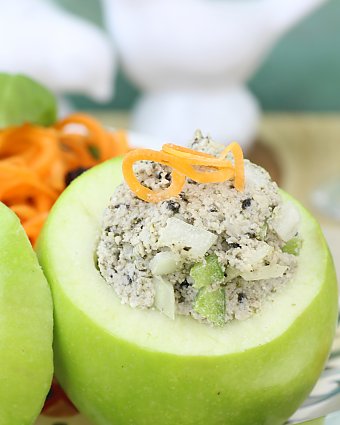
No-Cook Vegan Mock "Salmon Salad" Pate

By The Rawtarian

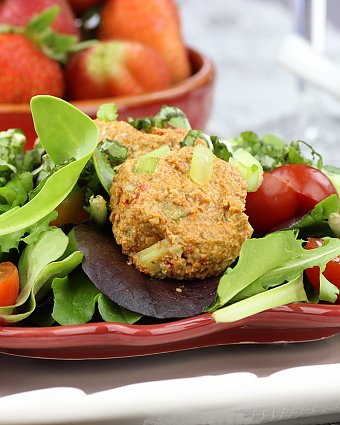
In this video, Laura-Jane The Rawtarian demonstrates how to make raw vegan mock "salmon" salad pate in your food processor.

This recipe is a perfect salad topper!

Video Transcript

Hi, I’m Laura-Jane, The Rawtarian, from therawtarian.com, and today, in the Rawtarian’s Kitchen, we are making “Salmon Salad Pate.” 

I know it doesn’t sound that exciting. There’s no “salmon,” but it is orange and that’s something, right? 

But it is actually super delicious and the way you would use the Salmon Salad Pate is, particularly, if you have a busy lifestyle.

Let’s think about it. You’re coming home. You’ve had a really busy day. You’re starving and you just want to have dinner and you don’t want to have to think about it. If you keep some of this “Salmon Salad Pate” in your fridge, it keeps extremely well for days, doesn’t get gross and weird and scary. I don’t like leftovers. It keeps really well and you can throw it on top of a salad. It’s really, you know, filling and it’s delicious.

So, let’s just get right into it. It’s super easy. There’s no prep required. There’s no waiting required. All you’re going to do is throw all of your ingredients. 

First of all, ignore this. We’re not going to think about that as an ingredient right now.

We’re going to throw all of our ingredients, except the celery. We’re going to throw all this and we’re going to make sort of a salmon paste out of it, and then, we’re going to just mix the celery together to kind of make it a little bit chunky. 

So, first things first. We’re going to mix all of this in the food processor, but probably, you’ll know if you’ve made many of my recipes, the best thing to do if you have a food processor recipe with nuts in it is, generally, and I’ll write it out, but generally, you want to take your nuts.

And I didn’t tell you what’s in this, but I’ll tell you right now, but I’ll finish my thought.

So, your nuts, you are going to want to turn them into flour first, and then, you’re going to add everything else. But what was that? That was 1 cup of sunflower seeds, raw, unsalted, untoasted. Then there’s 1/2 cup of red peppers. We’re going to be adding that. 1/3 cup of sundried tomatoes, and these have been soaked in oil which is ideal because then they’re going to process better and you get more oil in the recipe. So, those are great. We have 1 teaspoon of dill, kind of optional. If you don’t have dill, it would still work but it really does add a nice flavor. And of course, this is dried dill. If you had fresh dill, generally, you need to use double the amount of fresh. So, this is 1 teaspoon of dry, or 2 teaspoons of fresh, spices, dill. And 1/4 teaspoon of sea salt.

I was so excited. I’m actually planning on eating this as soon as I finish filming this. So, maybe that’s why I was like “let’s go!” 

So, we’re going to turn this into flour. 

It looks great, and again, the reason we do that first is to basically make sure that the nuts get turned into little pieces rather than everything getting confused. So, that is a little bit of, you know, nut flour, sunflower seed flour. 

Okay. Now, we’re going to add everything else. We have the red pepper, and it’s just roughly chopped. And we have the 1/3 cup of sun dried tomato soaked in oil, the dill, the salt, and we’re just going to make it into a paste, or pate, which always sounds kind of gross. 

And no one gets excited about these savory recipes like those sweet recipes. They get a lot more excited about the sweet ones but we all need savory recipes and this is a really good one. 

So, we’ve got everything in there. We’re going to just make it into a paste. 

I forgot to mention that, frequently, when you’re making a paste such as this one in your food processor, this isn’t looking too bad actually, but often, you might find it’s kind of getting hung up and you want to stop and get in there with your knife and just help it along. It doesn’t mean anything is going badly. It’s just a useful technique. And I didn’t really need to do it, actually, at that moment. But often, you’ll find maybe it’s just turning into a paste on the bottom, and on the top or on the sides, there’s like stuff that hasn’t processed. So, never be afraid to just stop it and help it along because everybody needs a little help now and then. 

I think it’s pretty good. And I can tell, actually, again, this is going to be really hard for you to tell, I think. I keep having to prop this up on me, but we’ve got just a little bit chunkier on the sides. And then, it’s really turned into a paste down at the bottom there. 

It’s pretty close I would call that. I would say we could call that done, and for the sake of this, and for the sake of my lunch that I’m about to eat, we’re going to say done.

So, we get rid of that and then we do have the celery. And in many of my recipes, sweet and savory, you’ll know. What do I call these? We call them mix-ins. And the reason we’re leaving it out is because it’s going to give a nice texture. So, we have that with soup. Let’s say if we’re making mushroom soup. We love to have a creamy mushroom texture and then mix-ins of chunky mushroom because it makes everything more interesting to have different textures. Not everything, but recipes are more interesting with different textures. 

So, here we have the pate. And you can get creative with this as well. You could add more mix-ins, for example. I mean, I don’t think I would but I know you could add some chopped parsley or more red pepper bits, anything, mix-ins.

So, here we have this. And our celery, or green onion, that would be nice as a mix-in here. 

And you’ll notice that I do that frequently with my nut pate and so we’ll have a nice “tuna” pate, a couple of those, and egg salad, and all kinds of stuff. And the real secret to it to keep it interesting is mix-ins. 

So, essentially, you could call that Salmon Salad Pate done. You could certainly eat it right away on top of a salad.

Yes, I’m having a whole mental conflict of whether I should go into a story about how I went to visit my sister recently and she had premade this because she knew it was one of my favorite easy meals and what she did was actually turn them almost into little veggie burgers. 

So, what I normally would do is, you know, just serve this on a salad, and the reason you do this is because a salad doesn’t fill you up unless you have, you know, some nuts and good fats in there. But if you’re just sprinkling the nuts on, it gets really boring, and that’s why we like to make different nut pates.

But back to my sister story. She had served them just almost, like I said, like a veggie burger. So, this would stick very well together and store well and then you could sort of throw it on. Like, I mean, this is getting to be a lot. But you could form them into patties if you prefer.

So, that’s my raw Salmon Salad Pate. I don’t think there’s much more to say. Like I said, you could eat it right away, like I’m going to do right now. And it keeps extremely well in the fridge. So, it’s a great option and it’s definitely an everyday kind of meal that would work, you know, for real life. And we like to have a lot of those real life recipes, too, because it keeps so well. And it’s tasty. And it’s easy.

So, thank you so much for being here with me. Salmon Salad, try it.

Pages